Uganda: Lion tracking and Kazinga Channel
Feb 2026
Queen Elizabeth National Park
There is something magical about waking before dawn on safari. As the first light crept across the vast plains of Queen Elizabeth National Park, the landscape slowly came alive. Golden grasses shimmered beneath the morning sun, birds announced the start of a new day, and somewhere beyond the horizon, Africa's wildlife was already on the move.
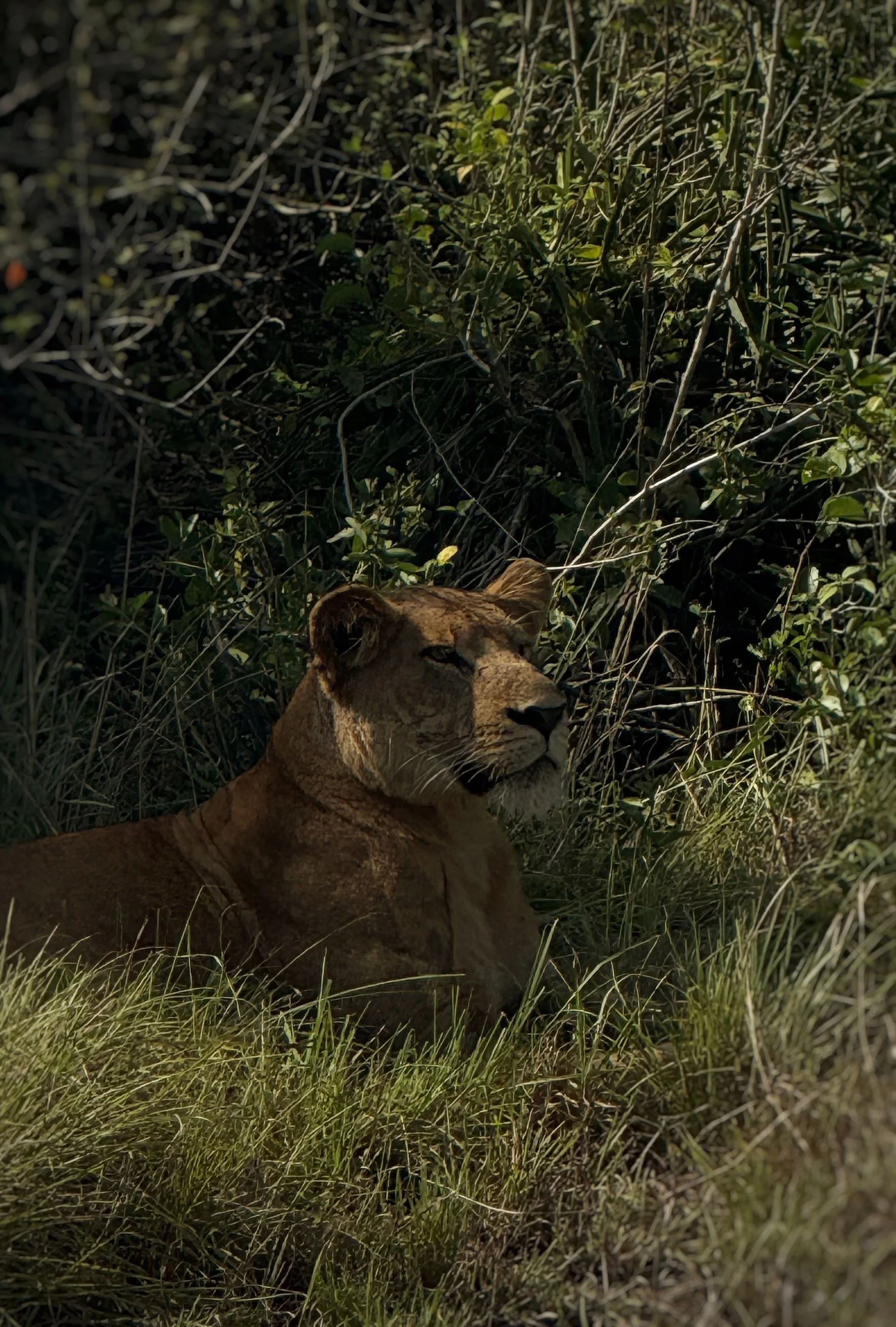
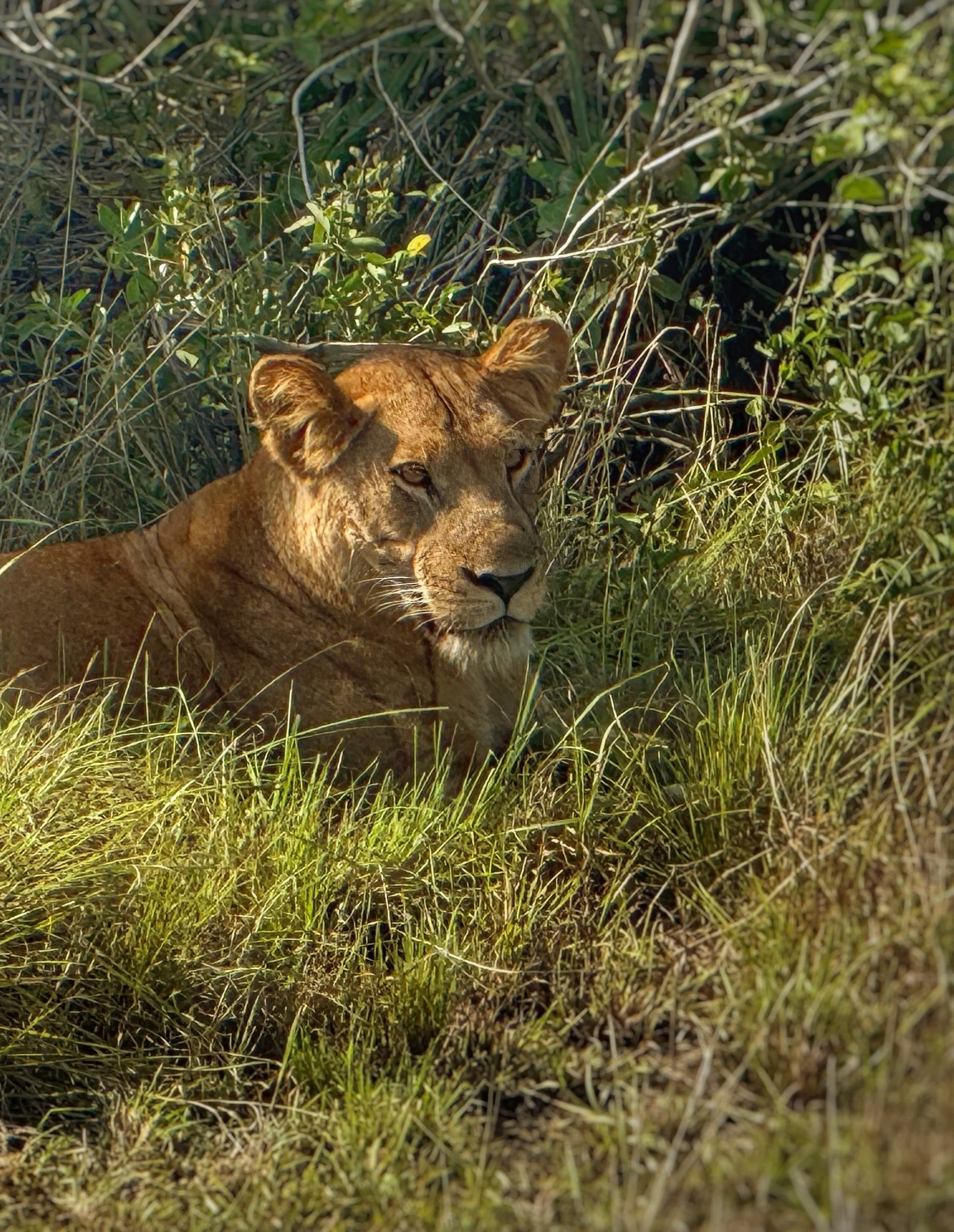
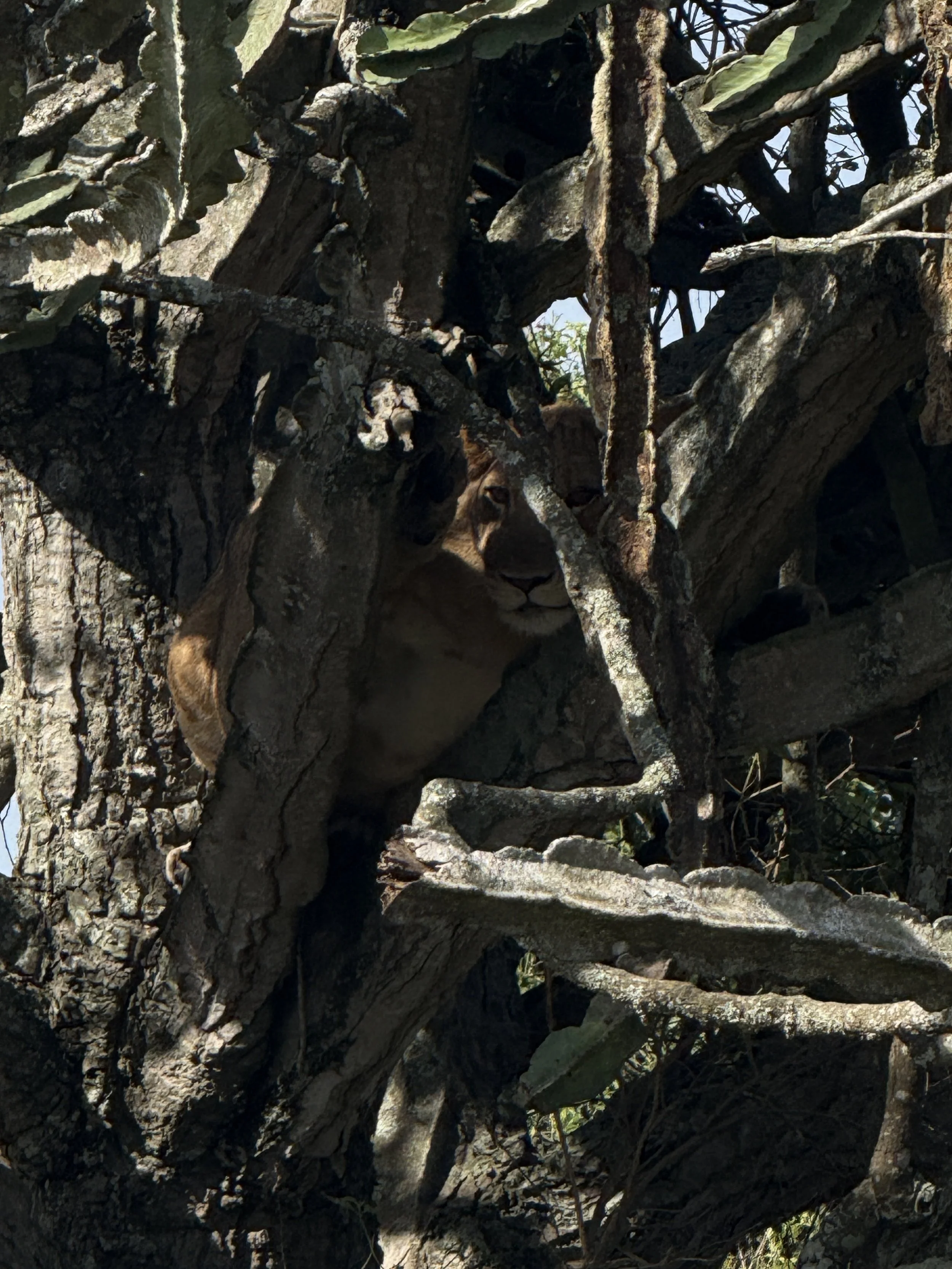
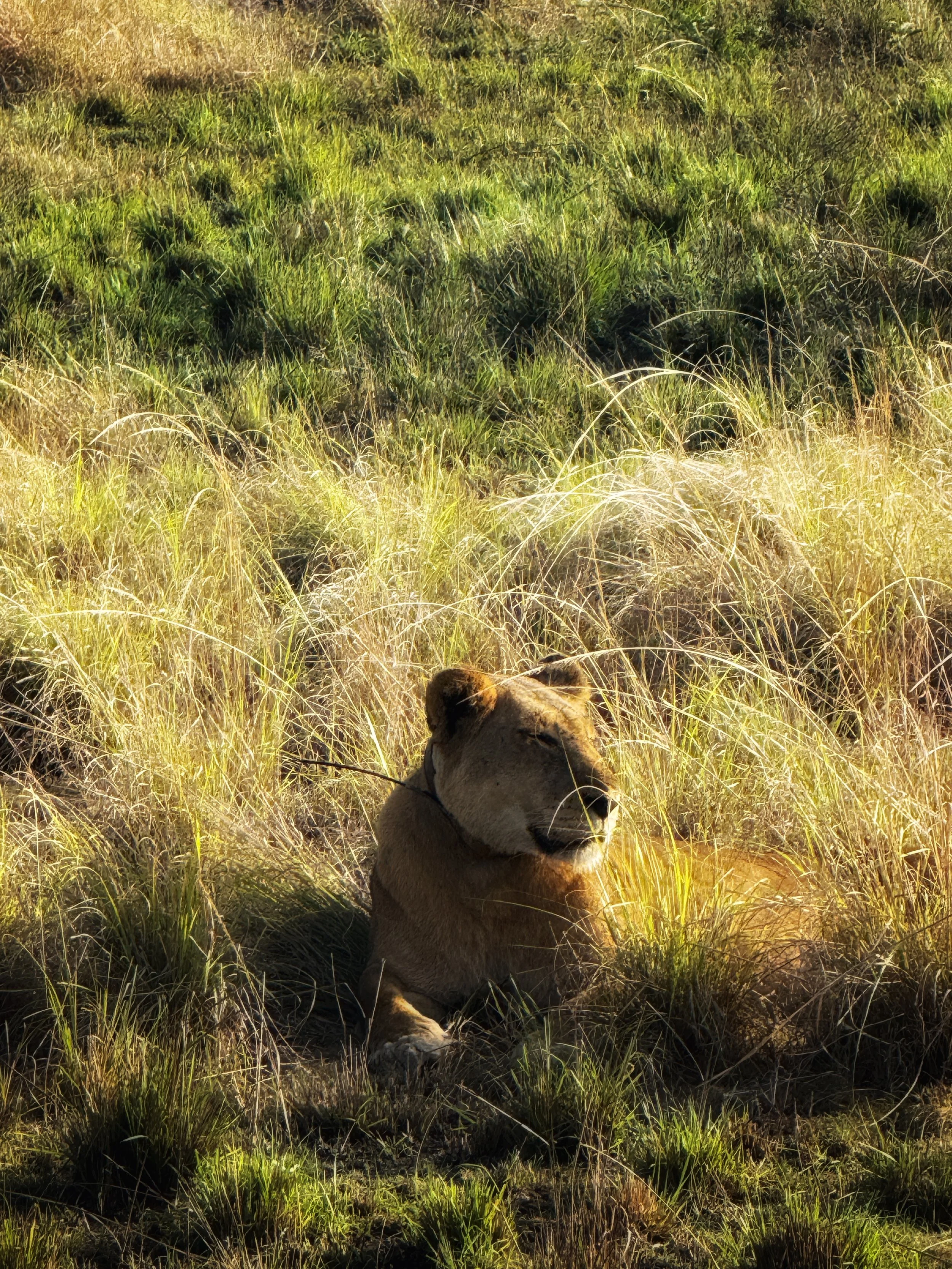
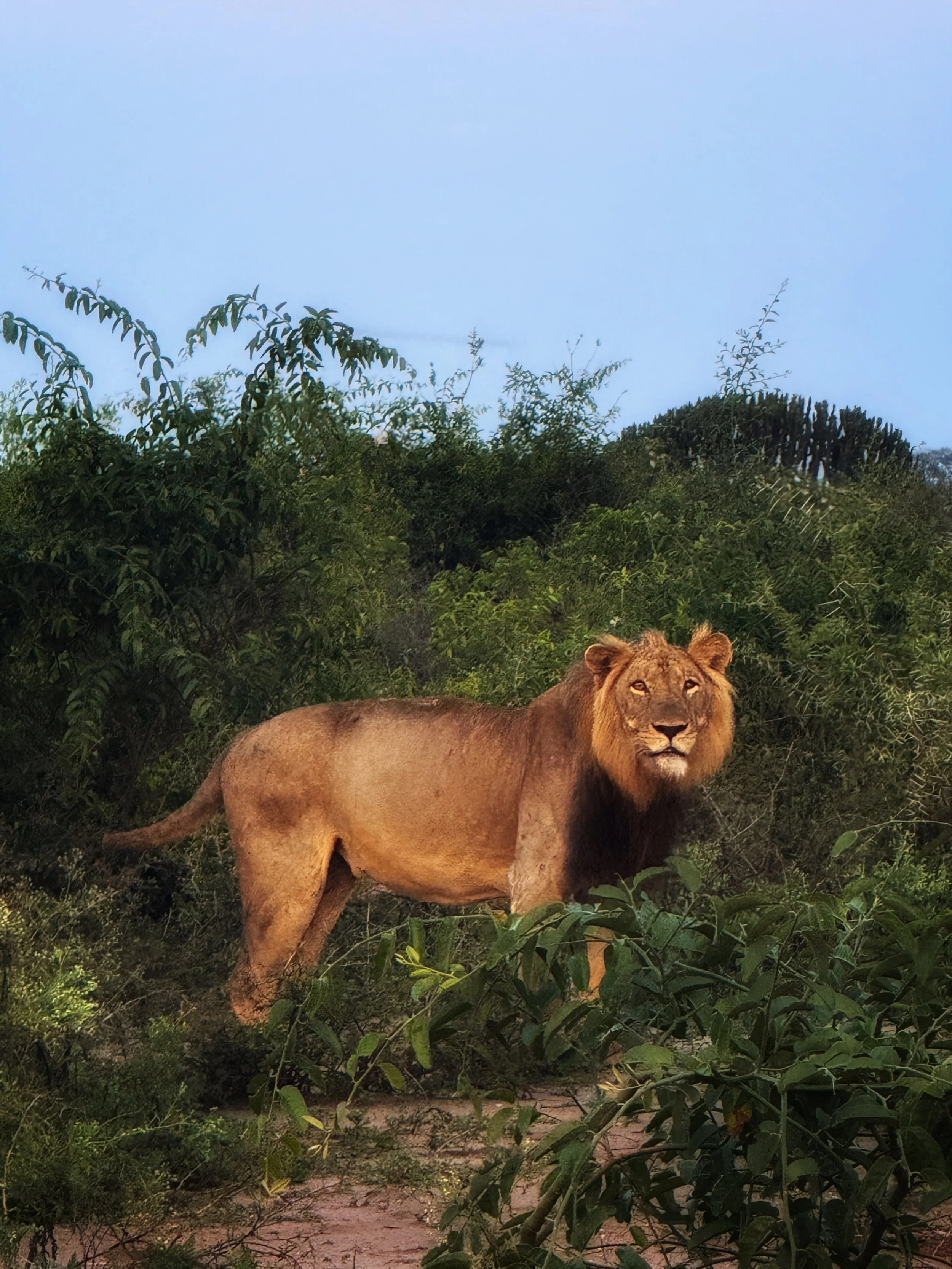
Our morning began with one of the park's most sought-after experiences—a lion tracking safari. Unlike a traditional game drive, lion tracking allows researchers and specially trained rangers to locate collared lions using radio telemetry, offering a rare opportunity to observe these magnificent predators while contributing to ongoing conservation efforts. One of the most memorable moments of our lion tracking experience was encountering Jacob, perhaps Uganda's most famous lion. Known around the world as the "tree-climbing lion," Jacob has become an icon of Queen Elizabeth National Park. Despite surviving incredible hardships—including being caught in a poacher's snare that led to the loss of part of one paw and later being poisoned before making a remarkable recovery—he continues to roam the Ishasha sector as a symbol of resilience
Queen Elizabeth National Park is also best known for its famous tree-climbing lions, a rare behaviour seen in only a handful of places in Africa. Spotting a lion sprawled across the branches of a giant fig tree is one of the park's most iconic sights. Interestingly, no one knows exactly why these lions have developed this unusual habit. Some researchers believe they climb into the trees to escape the scorching midday heat on the ground, while others suggest it helps them avoid biting insects such as tsetse flies.
Following the faint signal through the savannah, anticipation grew with every passing minute. Then, just ahead, we found them.
A pride of lions rested peacefully beneath the shade of sprawling fig trees, seemingly unfazed by our presence. We sat quietly in the vehicle, close enough to appreciate every detail—from the slow rise and fall of their breathing to the flick of a tail and the occasional glance in our direction.
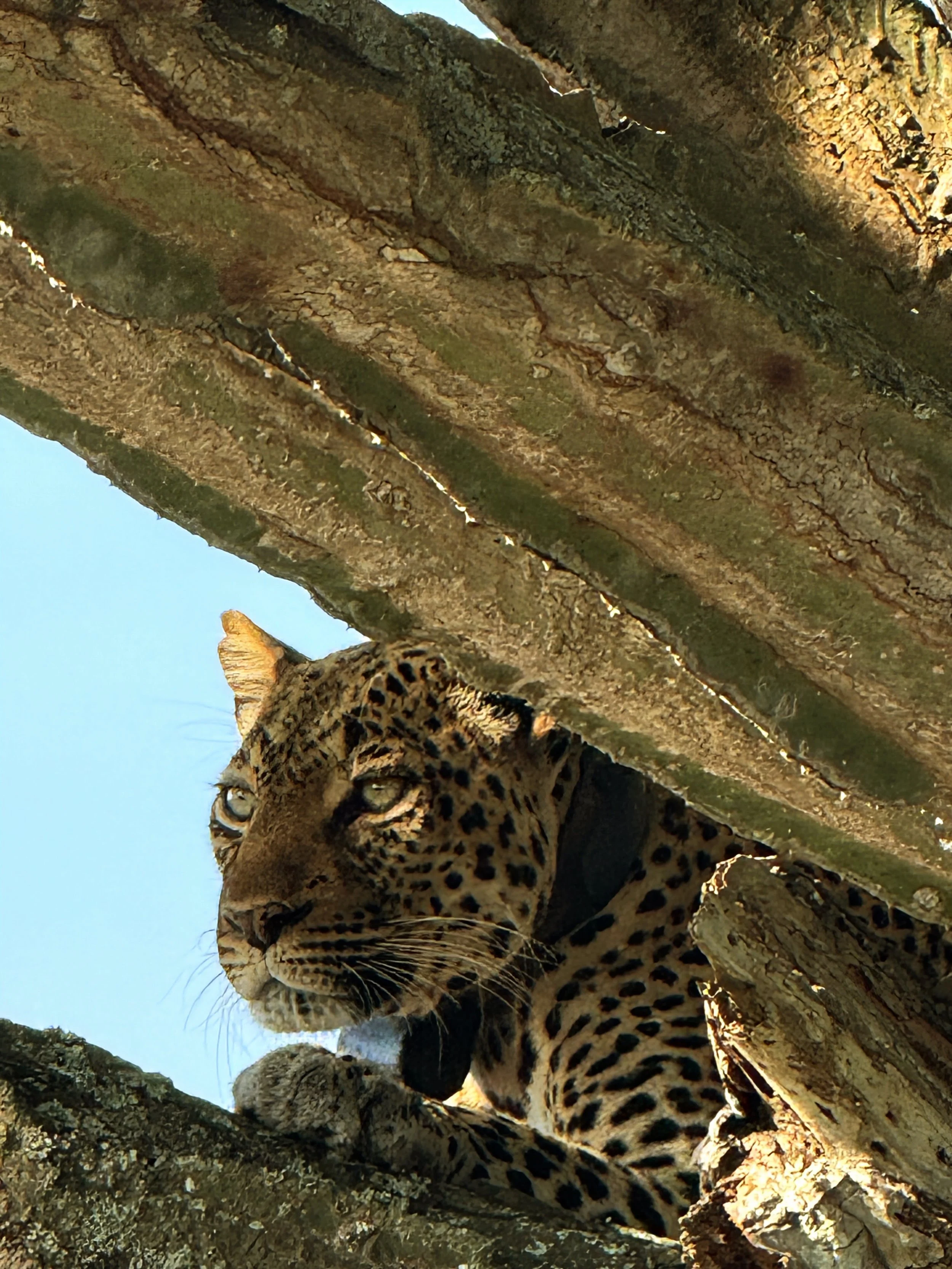
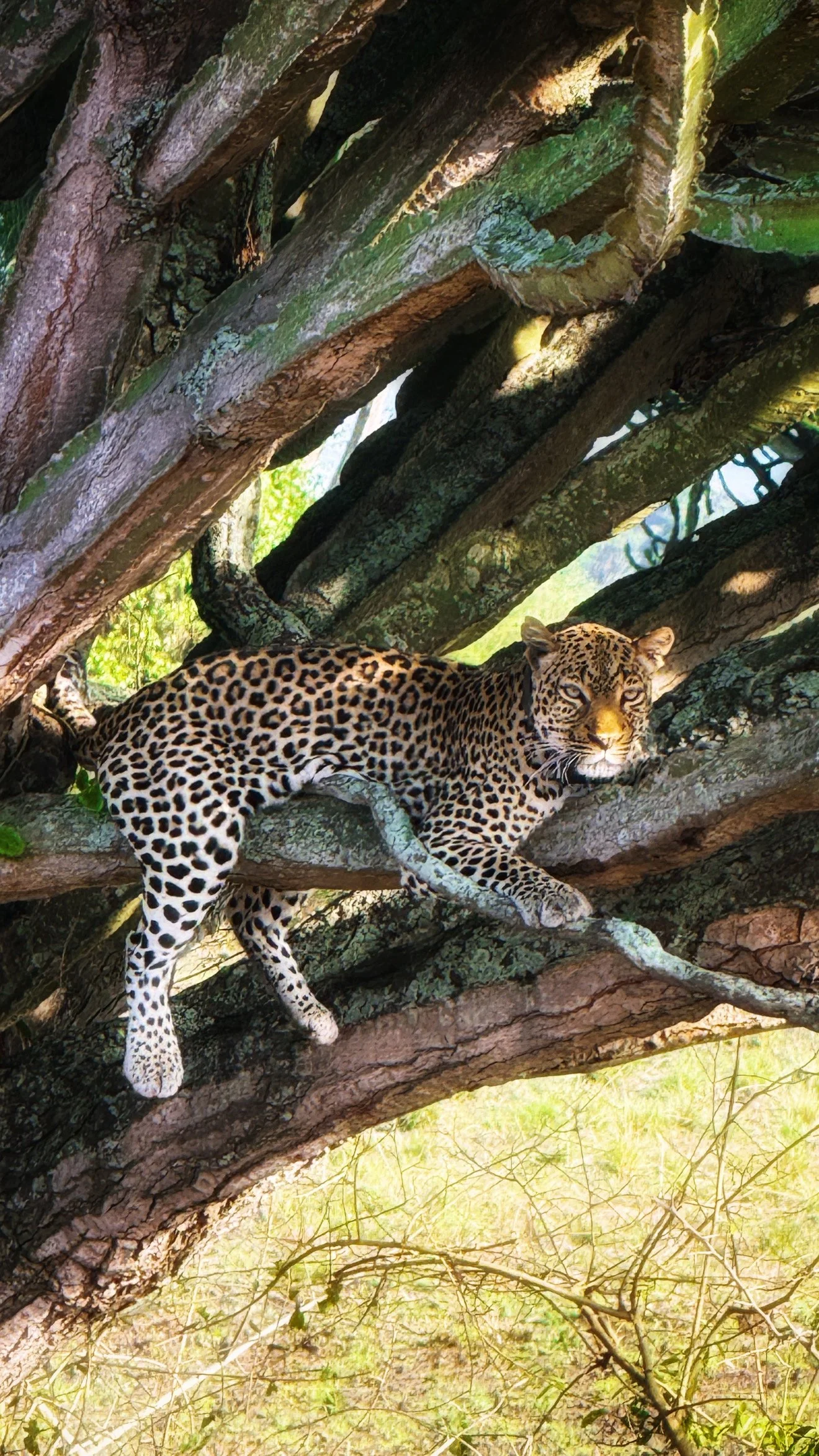
As if the morning couldn't get any better, our guide suddenly slowed the vehicle and pointed towards a large tree in the distance. Resting high among the branches was one of Africa's most elusive predators—a leopard. Perfectly camouflaged against the dappled light, it was easy to miss at first, its golden coat blending effortlessly into the bark and foliage. Unlike the lions, which seemed completely at ease with our presence, the leopard remained quietly alert, scanning the surrounding plains from its elevated perch.
Leopards are famously solitary and notoriously difficult to find, often spending much of the day hidden from view before becoming active after dusk. To witness one so clearly in broad daylight felt incredibly special and was a testament to the remarkable tracking skills of our guide. Watching this magnificent cat resting peacefully in the tree was a rare privilege, adding yet another unforgettable chapter to an already extraordinary safari in Queen Elizabeth National Park.
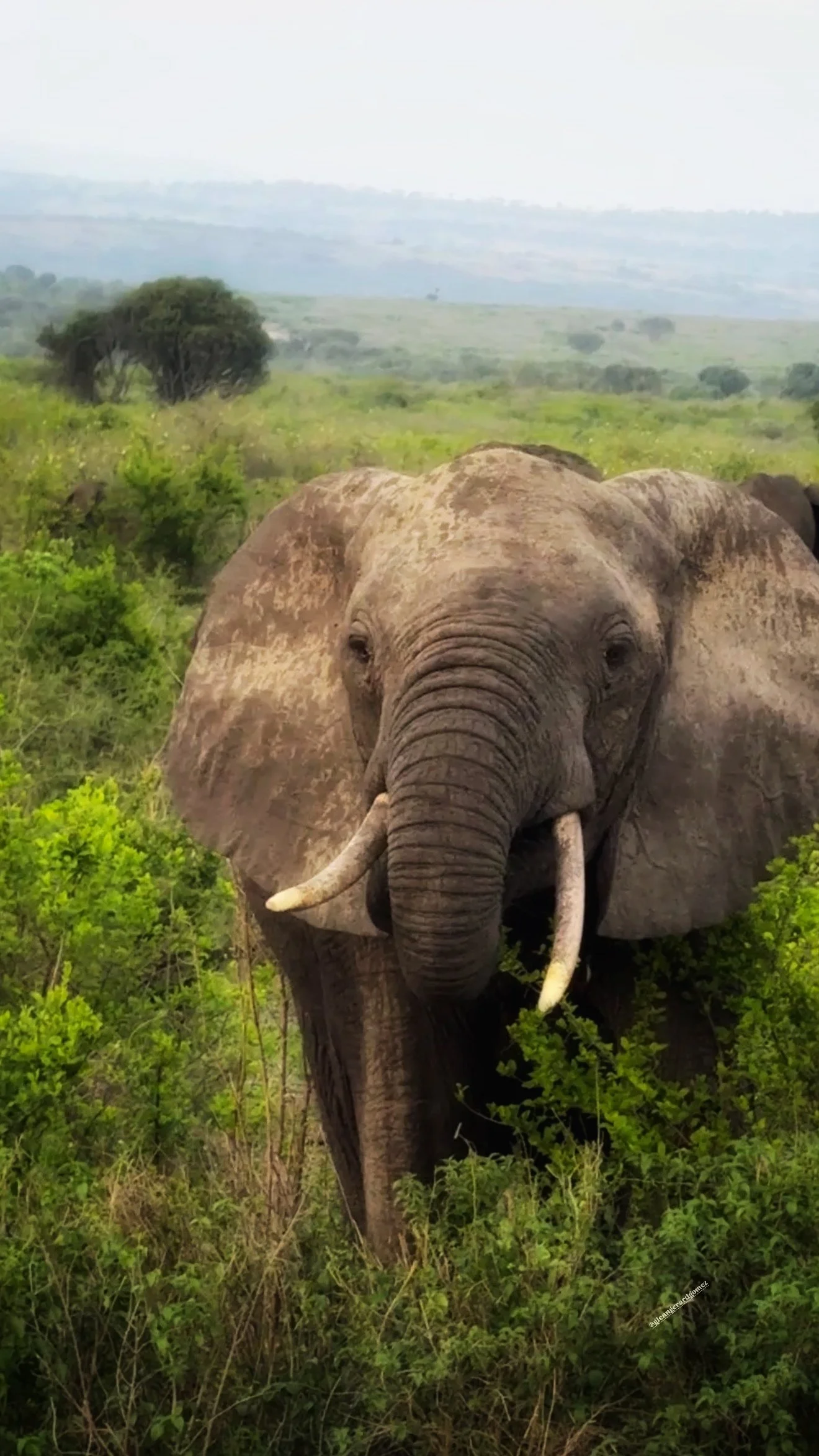
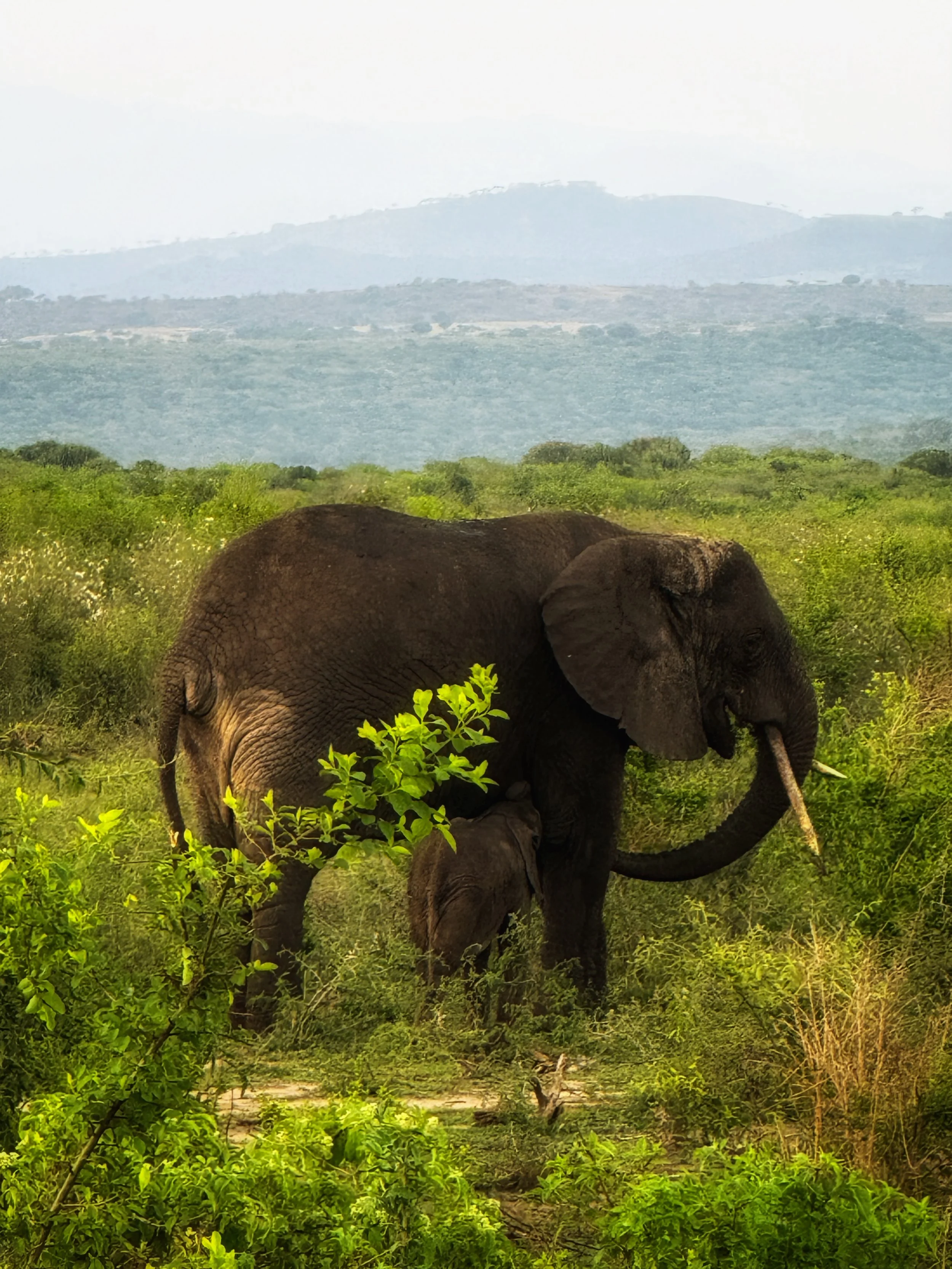
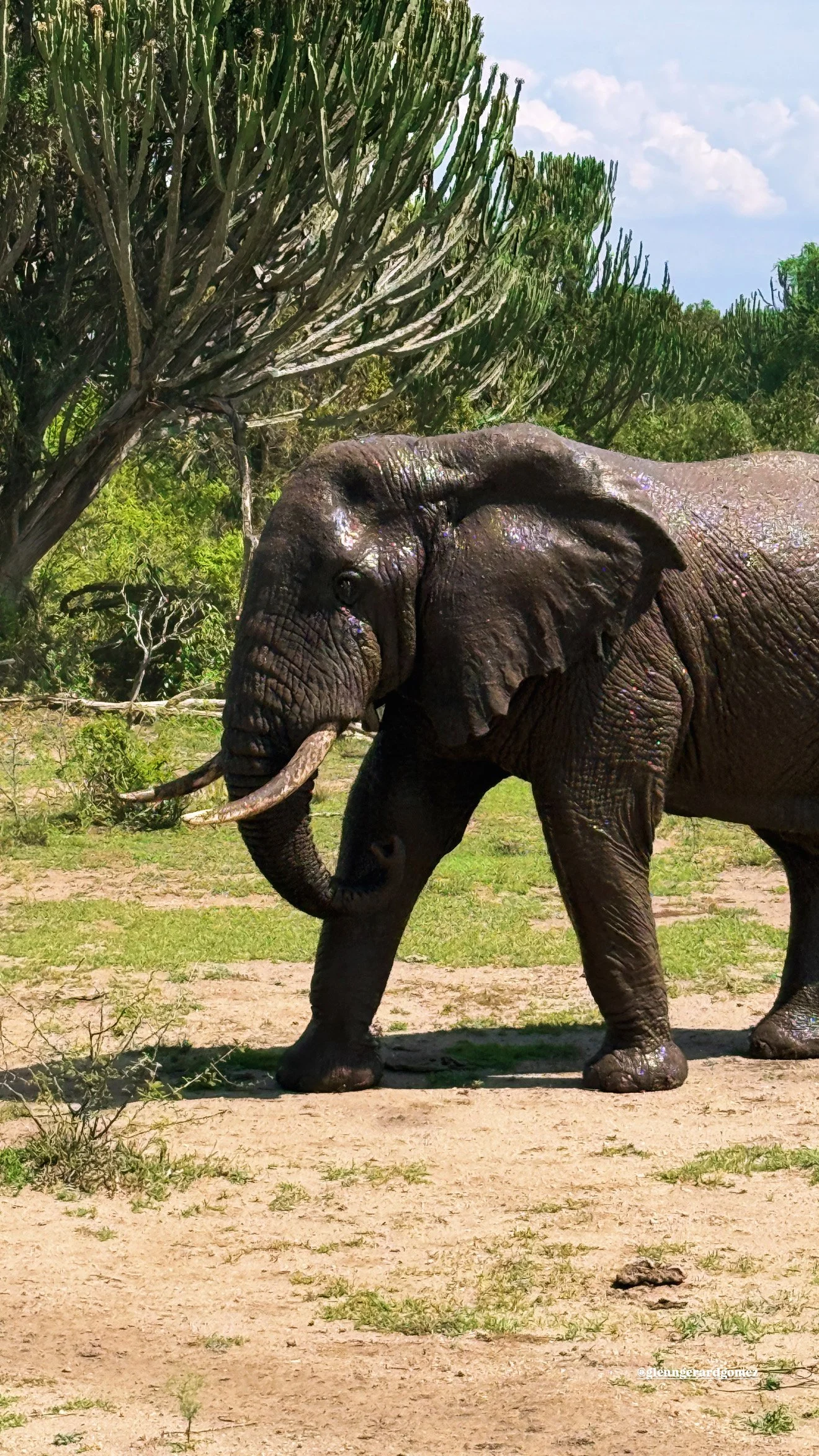
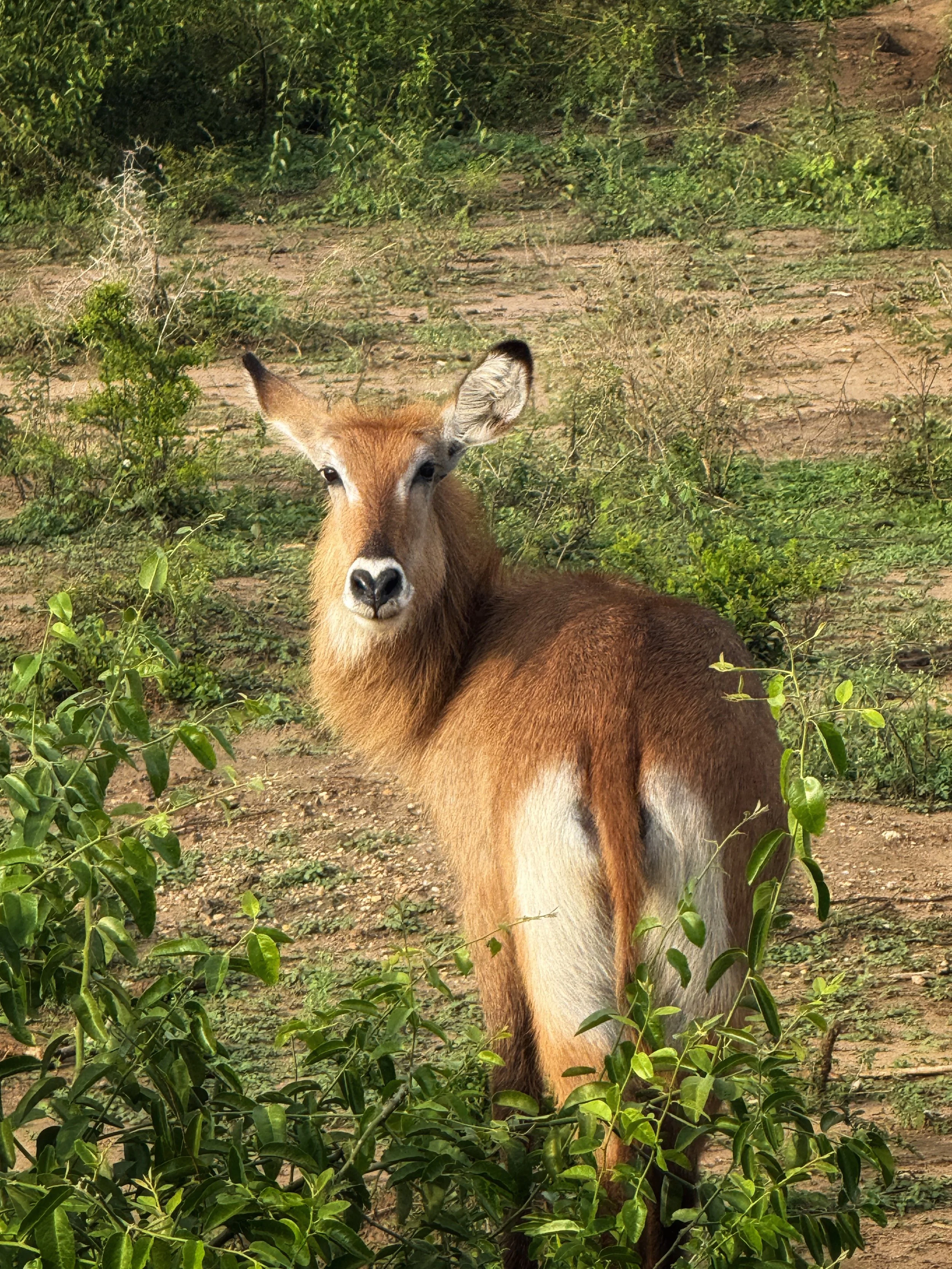
As we continued our drive, Queen Elizabeth National Park revealed its incredible diversity. Herds of Uganda kob grazed across the open plains while waterbuck stood watch from the roadside. Towering elephants wandered gracefully through the grasslands, their calves never straying far from the protection of the herd. Cape buffalo gathered in impressive numbers, occasionally lifting their heads to study us before returning to their morning routines.
Kazinga Channel
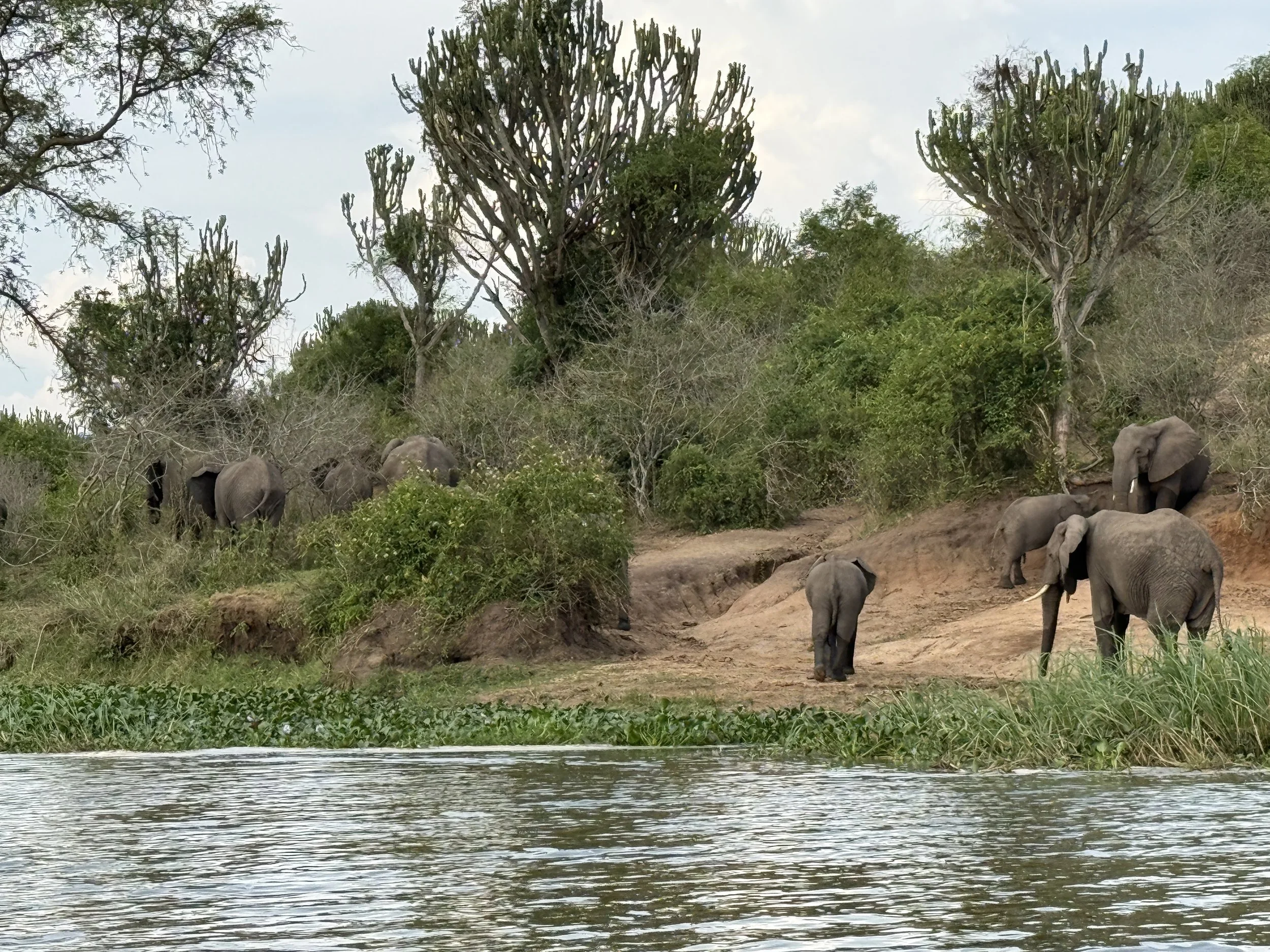
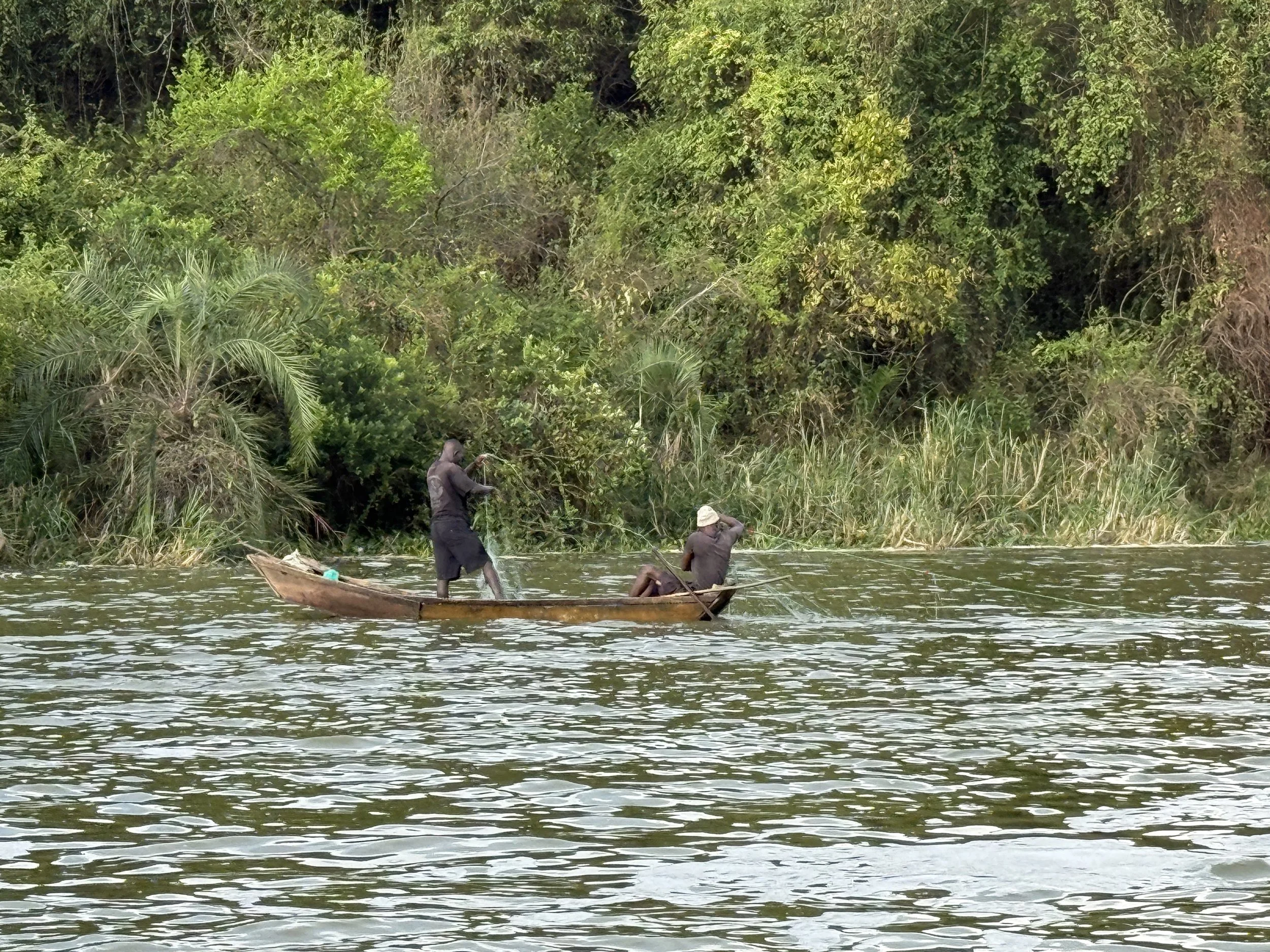
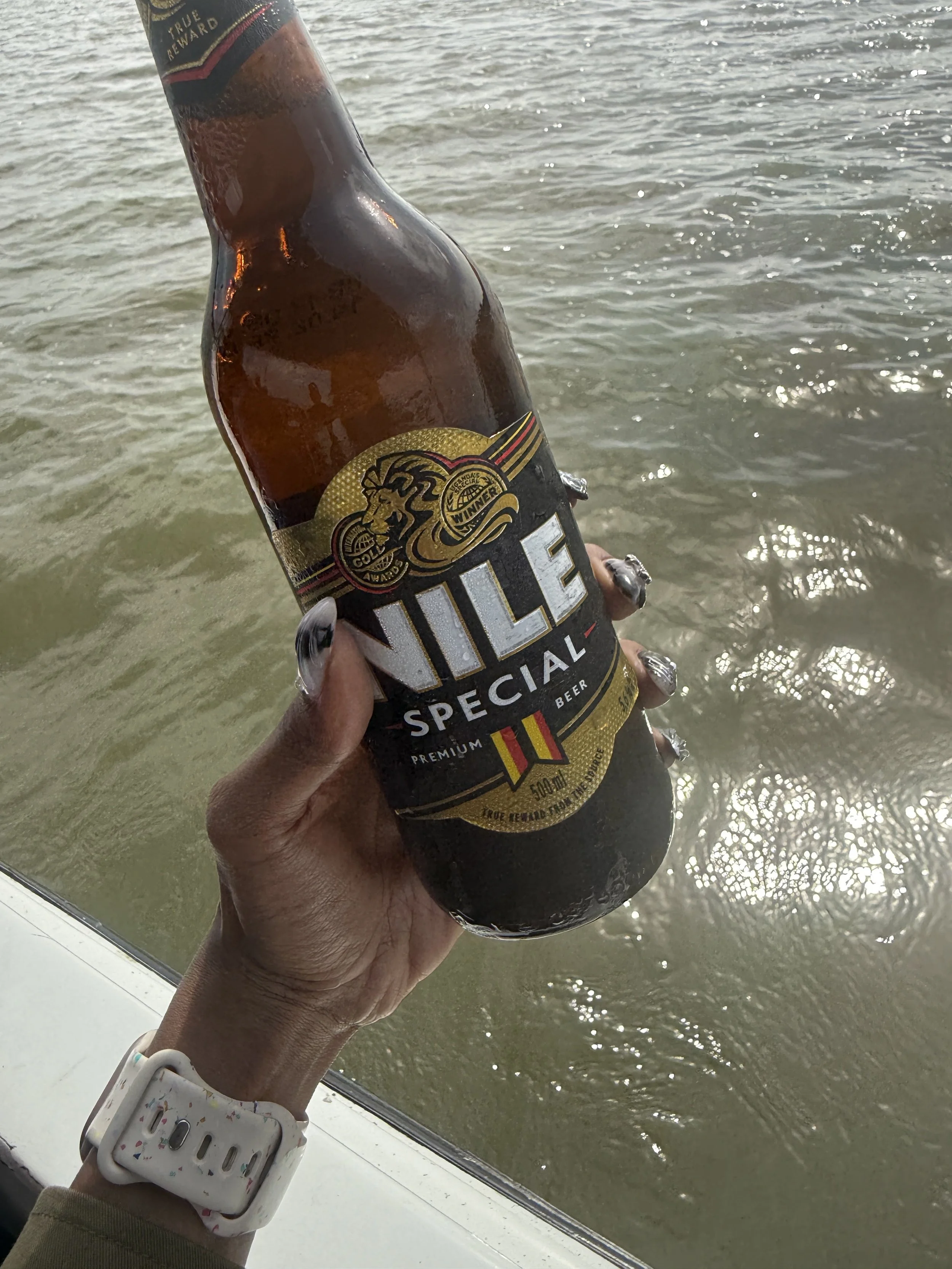
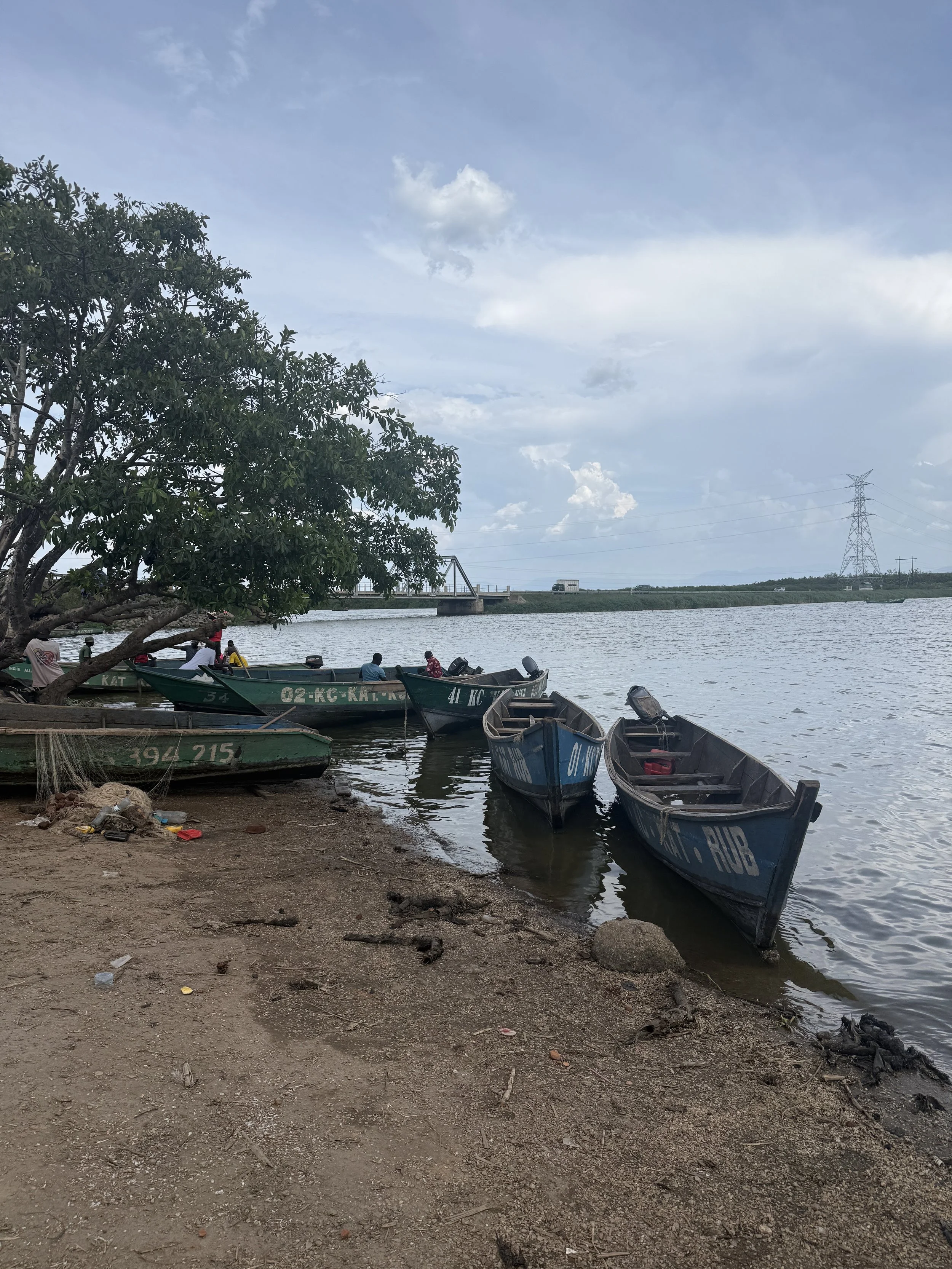
That afternoon, we traded dusty tracks for calm waters aboard a private boat cruise along the Kazinga Channel, a natural waterway linking Lake Edward and Lake George. The change in perspective was remarkable. Wildlife that had seemed distant from the vehicle was now only metres away.
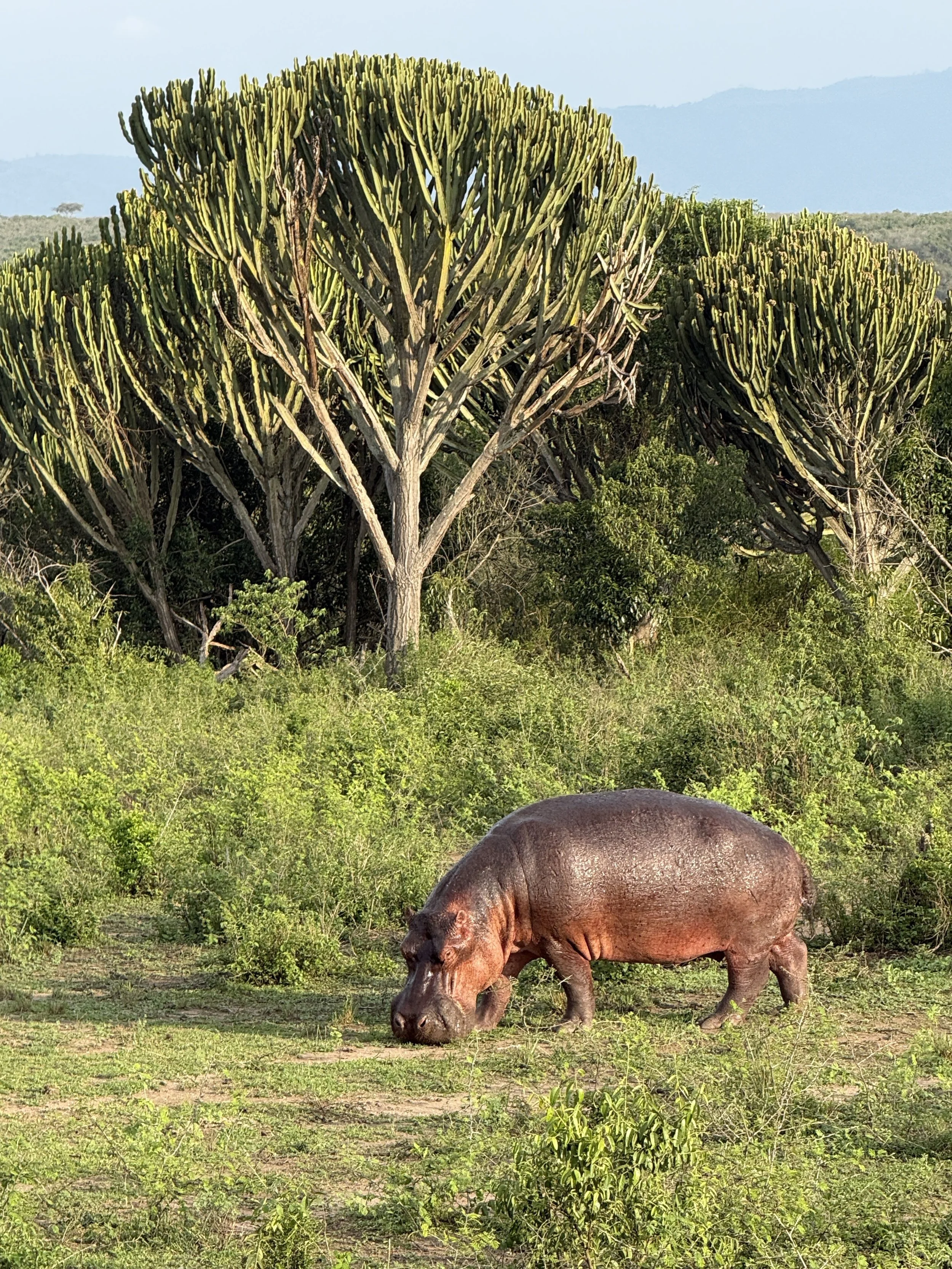
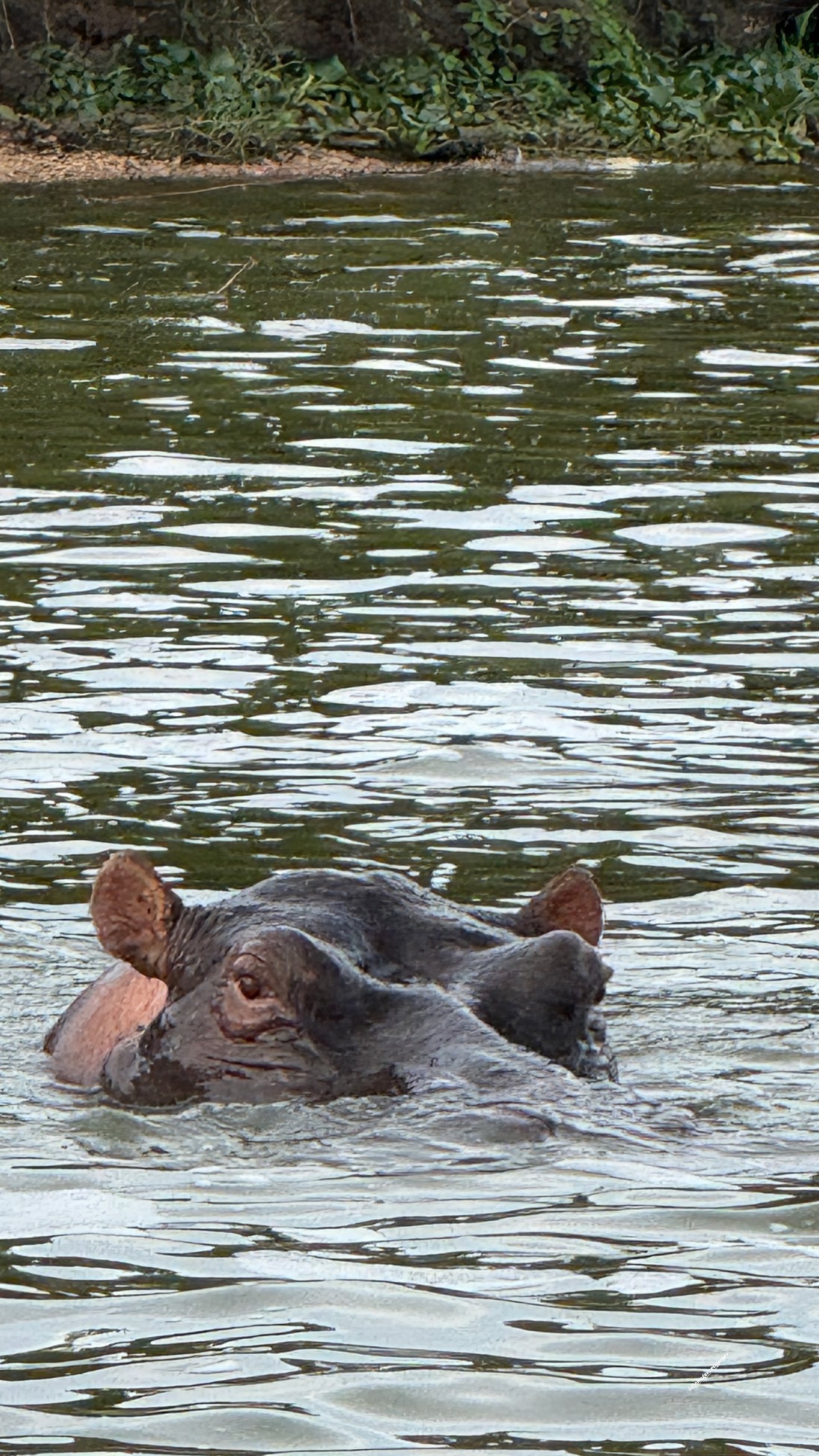
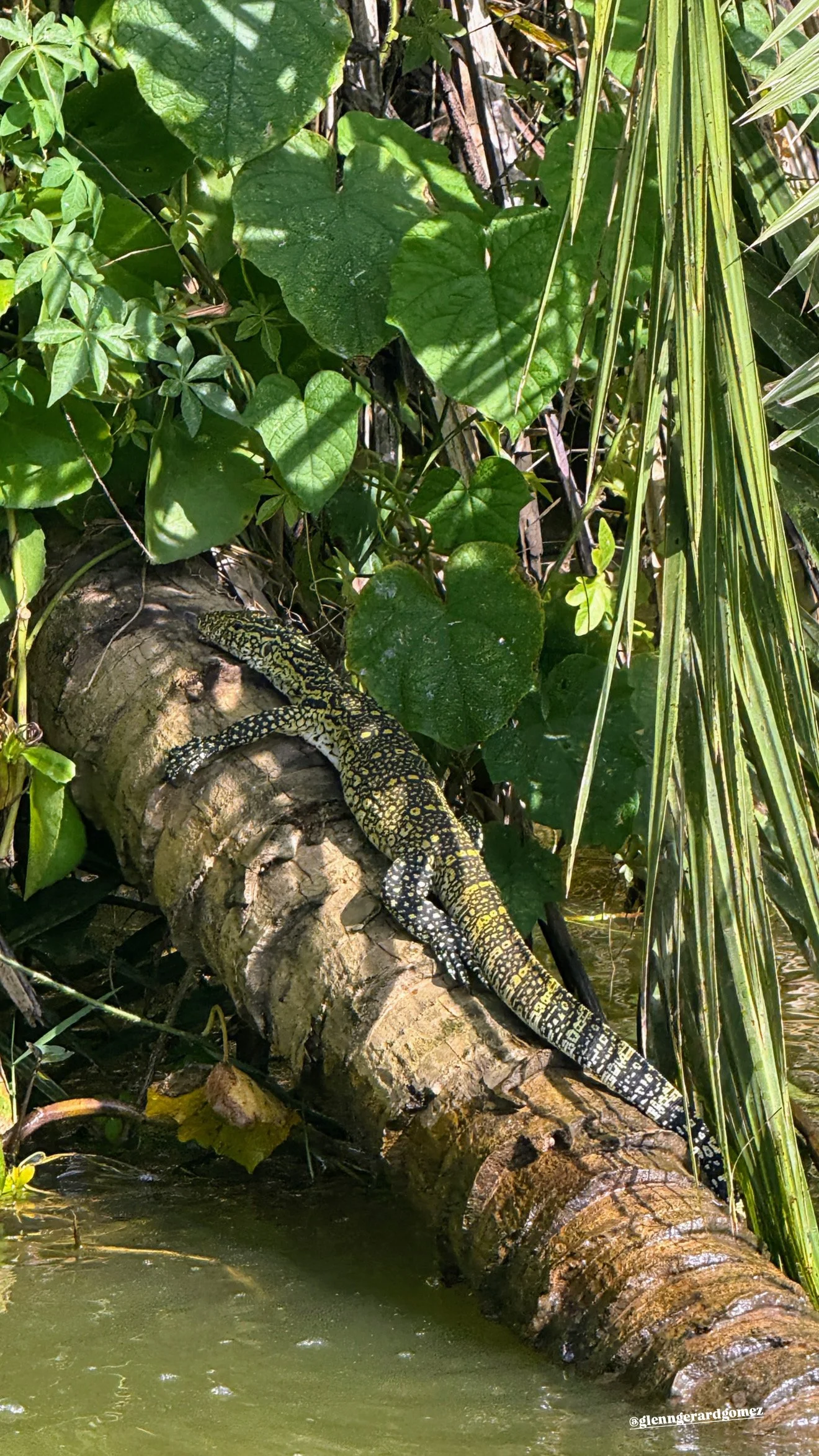
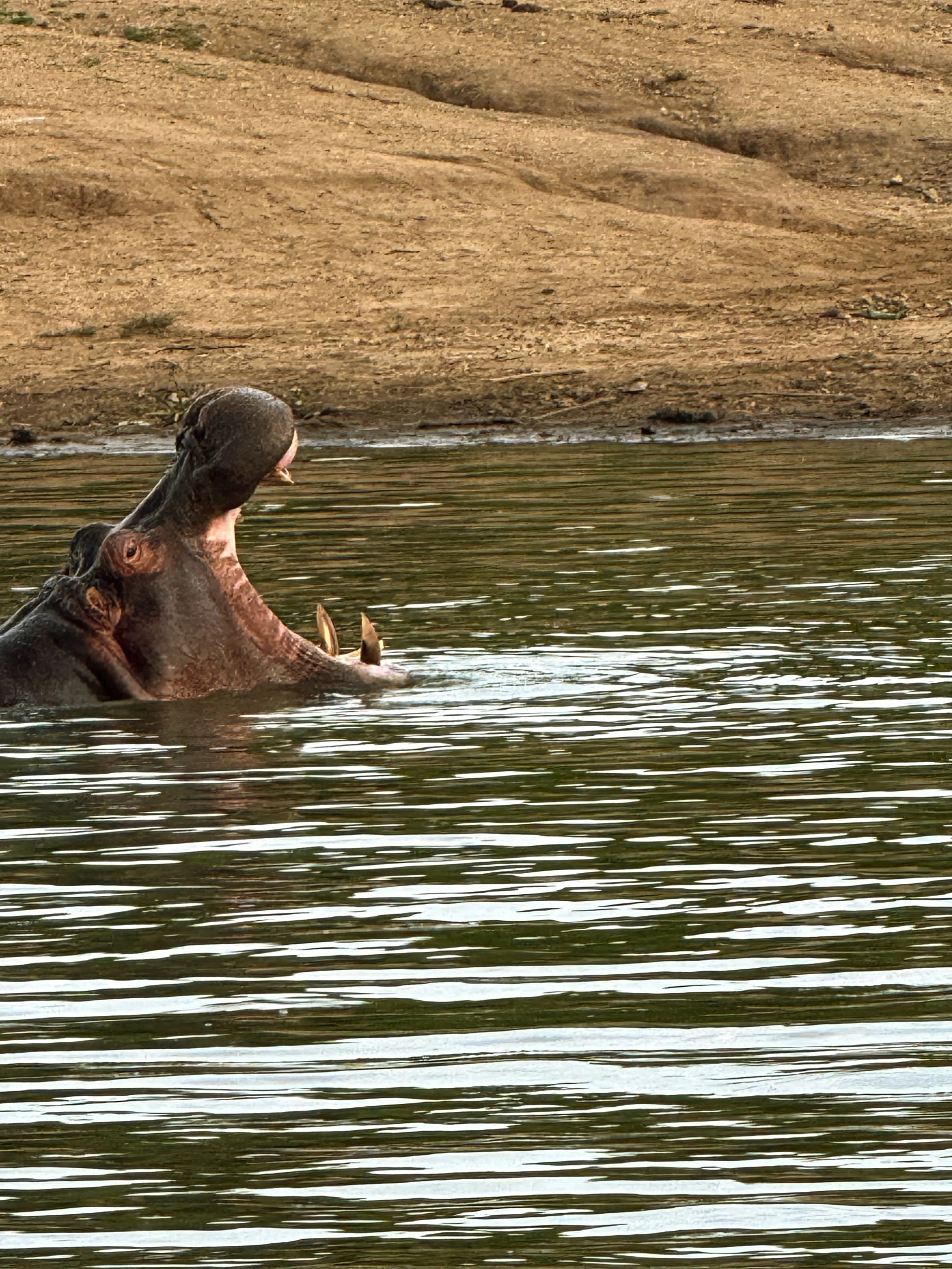
Elephants descended to the shoreline to drink and cool themselves, spraying water across their backs with effortless grace. Massive pods of hippos crowded together in the shallows, their grunts echoing across the channel as only their eyes, ears and nostrils broke the surface. Enormous Nile crocodiles basked motionless along the muddy banks, blending almost perfectly into their surroundings until a subtle movement betrayed their presence.
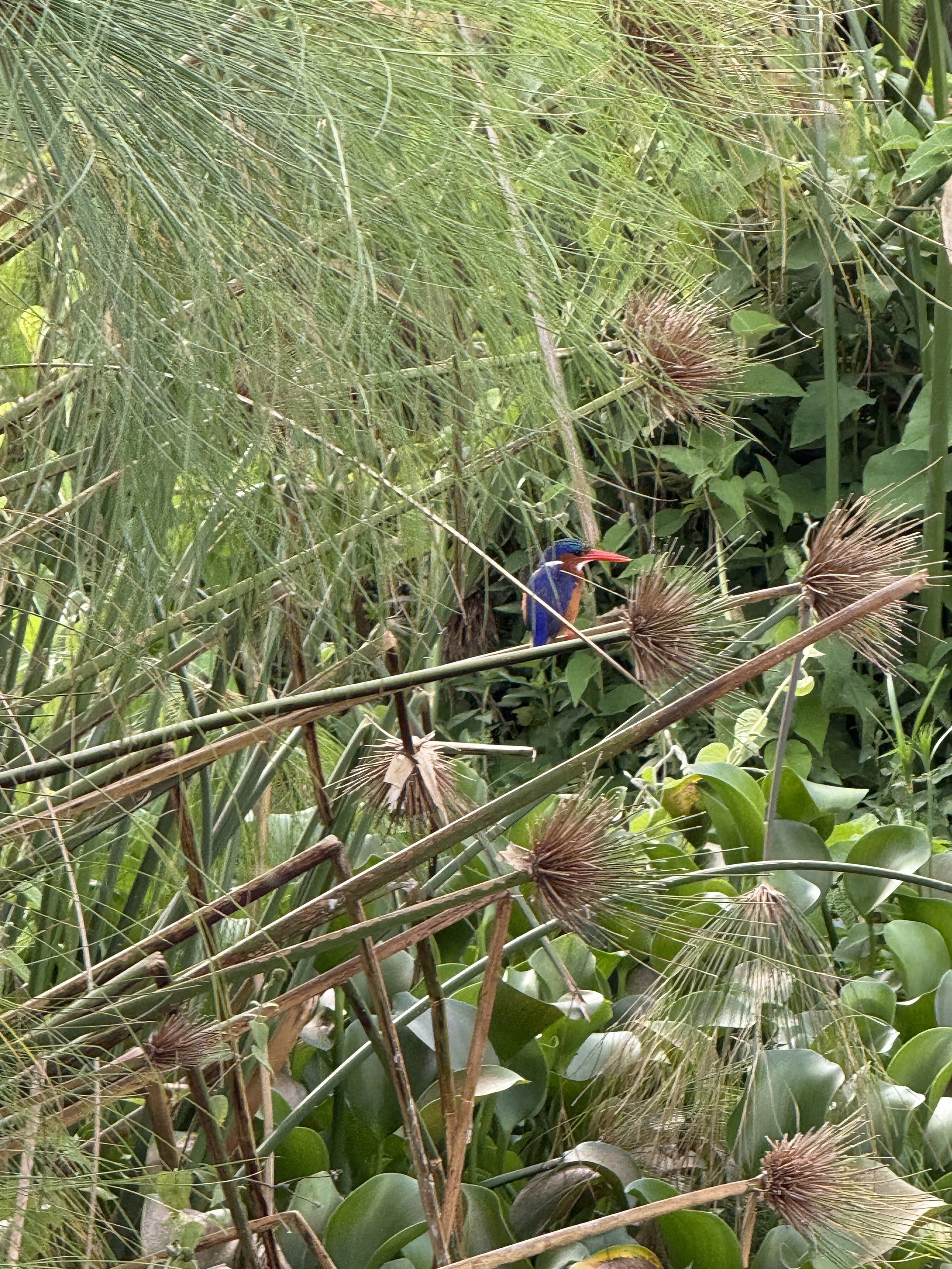
The birdlife was equally extraordinary. African fish eagles perched proudly overhead, pied kingfishers hovered before diving with astonishing precision, while vibrant bee-eaters and colourful herons transformed every stretch of shoreline into a photographer's dream.
Because we had booked a private safari, there was never any pressure to move on. We lingered wherever the wildlife captured our attention, allowing each encounter to unfold naturally. Whether watching a family of elephants crossing the shoreline or quietly drifting past dozens of hippos, we were free to enjoy the moment without feeling rushed.
As the sun began to sink towards the horizon, the entire channel glowed in shades of gold and amber. Reflections danced across the water while the sounds of Africa gradually shifted from the bustle of the day to the calm of evening. It was the perfect ending to a day that showcased the extraordinary richness of Ugandan wildlife.
Mweya Safari Lodge
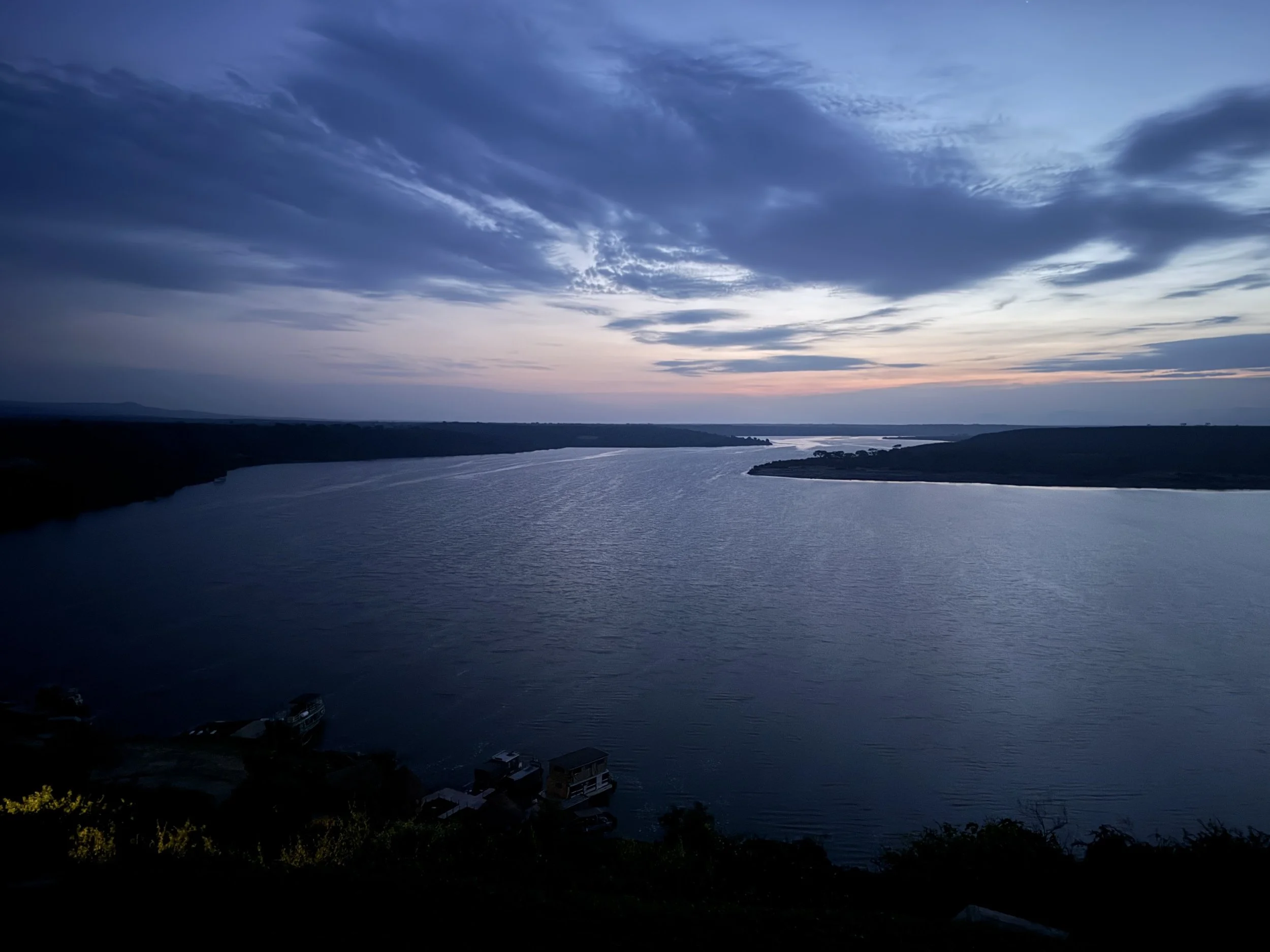
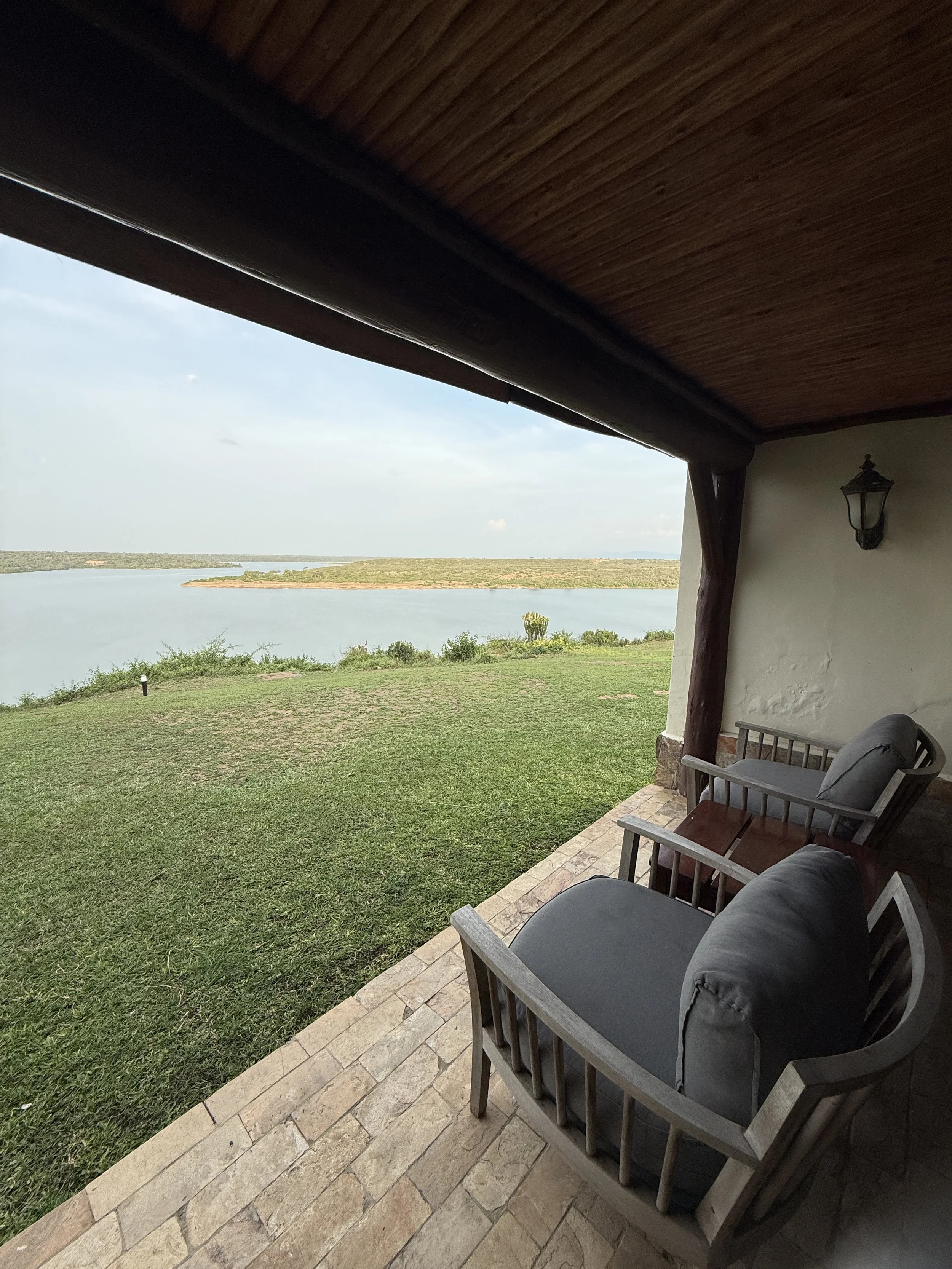
After a day spent tracking lions across the savannah and cruising the wildlife-rich waters of the Kazinga Channel, returning to Mweya Safari Lodge felt like arriving at one of Africa's most spectacular viewpoints. Perched on a peninsula in the heart of Queen Elizabeth National Park, the lodge overlooks the Kazinga Channel, with sweeping views stretching towards Lake Edward and the distant Rwenzori Mountains—the legendary "Mountains of the Moon."
From the moment we stepped into the open-air lobby, it was impossible not to be drawn towards the panoramic terrace. Below us, the channel shimmered beneath the afternoon sun while hippos surfaced with gentle splashes and elephants wandered along the shoreline in search of water. It was one of those rare places where you didn't need to leave the lodge to feel immersed in the wilderness.
Our room was simple yet comfortable, with a private balcony overlooking the channel. Before sunrise, we watched a thin veil of mist drift across the water as fish eagles called overhead, while vervet monkeys and colourful birds moved effortlessly through the surrounding trees.
As evening approached, we settled onto the terrace with a drink in hand, watching the changing colours of the African sky. The golden light reflected off the water before slowly giving way to fiery shades of orange, pink and purple. Down below, hippos began emerging from the channel to graze at night, while the distant silhouettes of buffalo and elephants completed the scene. There was no soundtrack other than birdsong, the occasional grunt of a hippo, and the gentle breeze carrying the scents of the bush.
Dinner was served overlooking the channel, making it difficult to decide whether to focus on the delicious meal or the breathtaking scenery beyond. Mweya Safari Lodge proved to be far more than just a place to spend the night. Its unrivalled location, surrounded by wildlife and overlooking one of Uganda's most iconic waterways, made it an experience in itself.
Field Notes:
Predator experiential in Queen Elizabeth National Park cost USD100 for foreign trackers. Liaise with your safari provider
US$150–200 per private boat (2-hour cruise)
Mweya Safari Lodge: US$255–268 per person/night sharing (full board)
Do not leave your rooms at sundown. Predators and hippos roam freely
