Iceland- Snæfellsnes Peninsula
If Iceland had to be condensed into one road trip, the Snæfellsnes Peninsula would probably be it.cOften called “Iceland in Miniature,” the peninsula brings together glaciers, volcanoes, lava fields, dramatic cliffs, black beaches, waterfalls, mountains and even seals — all within one spectacular stretch of coastline.cOur day exploring Snæfellsnes took us from the iconic Kirkjufell Mountain to the wild coastline of Djúpalónssandur, through ancient lava fields and all the way to a seal colony at Ytri-Tunga.
Snæfellsjökull Glacier
Dominating the western end of the peninsula is Snæfellsjökull, a glacier-covered volcano rising dramatically above the surrounding landscape. The glacier is famous not only for its beauty but also for its connection to Jules Verne's classic novel Journey to the Centre of the Earth. In the book, the characters descend into the Earth's interior through the volcano. Standing in front of it, surrounded by Iceland's stark volcanic landscape, it's not difficult to understand why this place inspired such an extraordinary story.
The volcano itself is around 700,000 years old, while the glacier atop its summit has become an iconic feature of the peninsula. On a clear day, the views are incredible — although, as with so many places in Iceland, the weather has a mind of its own.
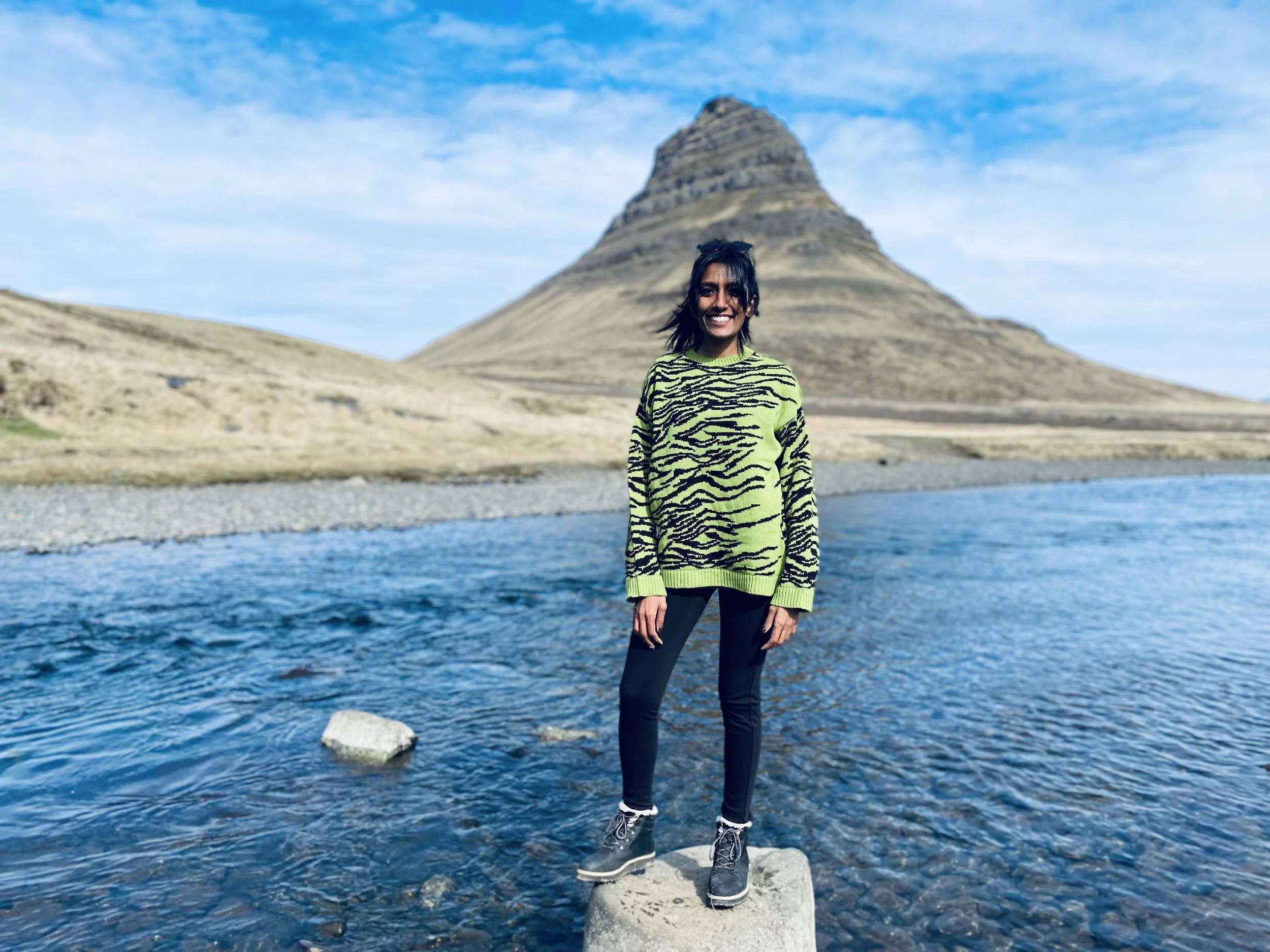
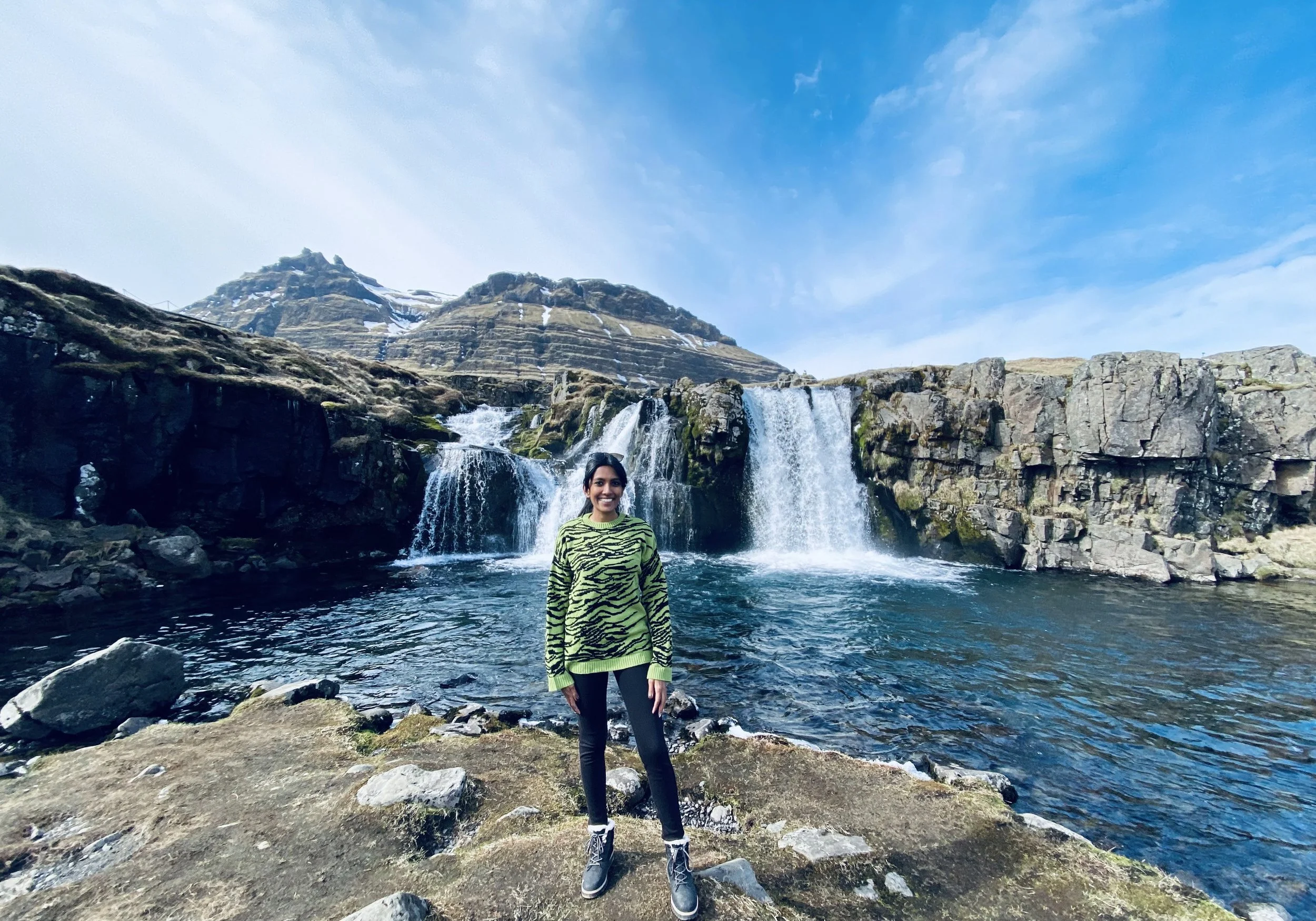
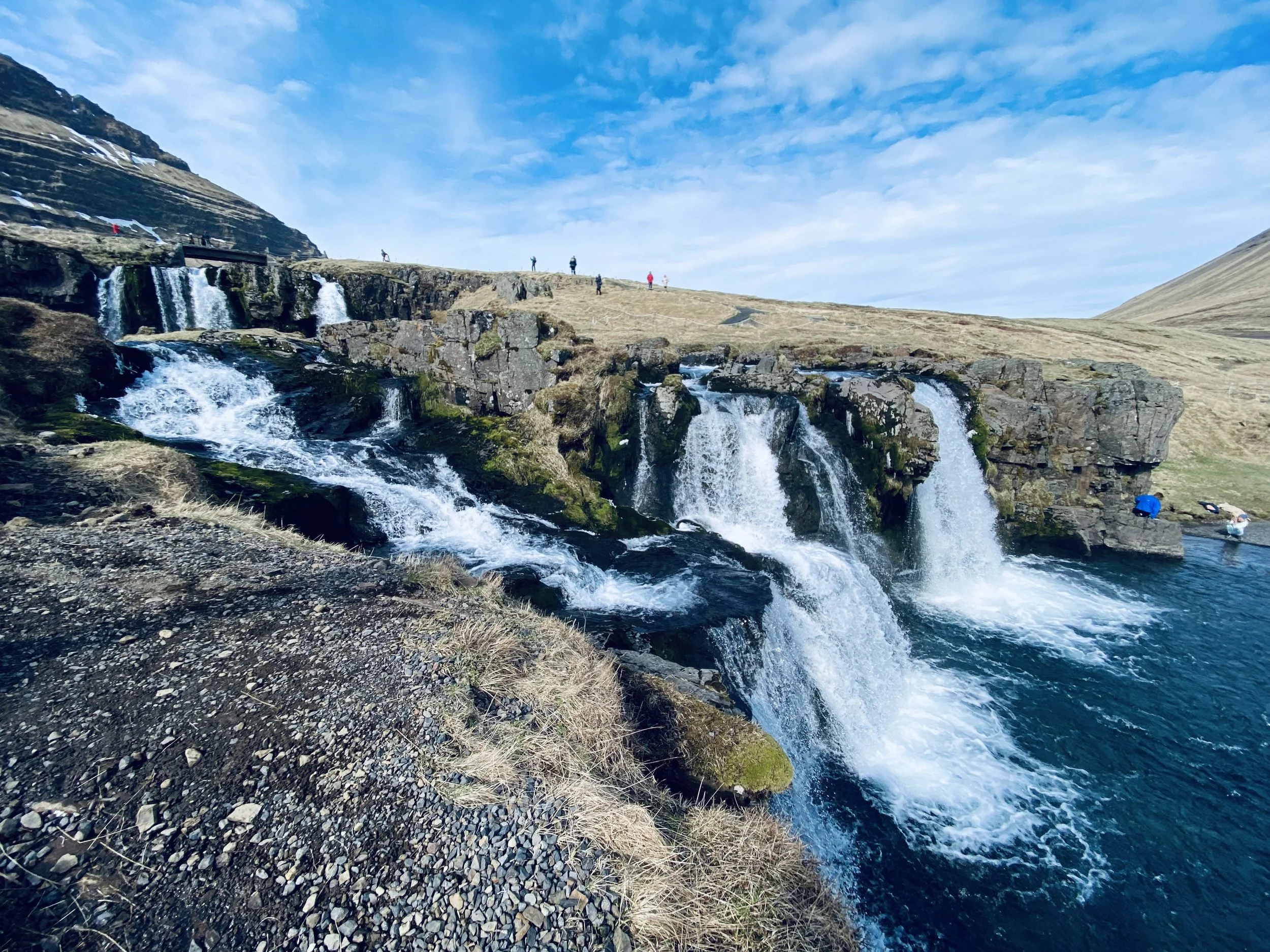
Kirkjufell Mountain & Kirkjufellsfoss
Then came one of Iceland's most recognisable landscapes: Kirkjufell. The distinctive cone-shaped mountain has become one of the most photographed places in Iceland, particularly because of its picturesque relationship with Kirkjufellsfoss, the small series of waterfalls in front of it. It's easy to see why photographers love this spot. The mountain rises dramatically behind the falls, creating the classic Iceland photograph that you'll probably have seen countless times online. Kirkjufell has also appeared in Game of Thrones, adding another layer of fame to an already iconic landscape.
Dramatic Cliffs & Rock Formations
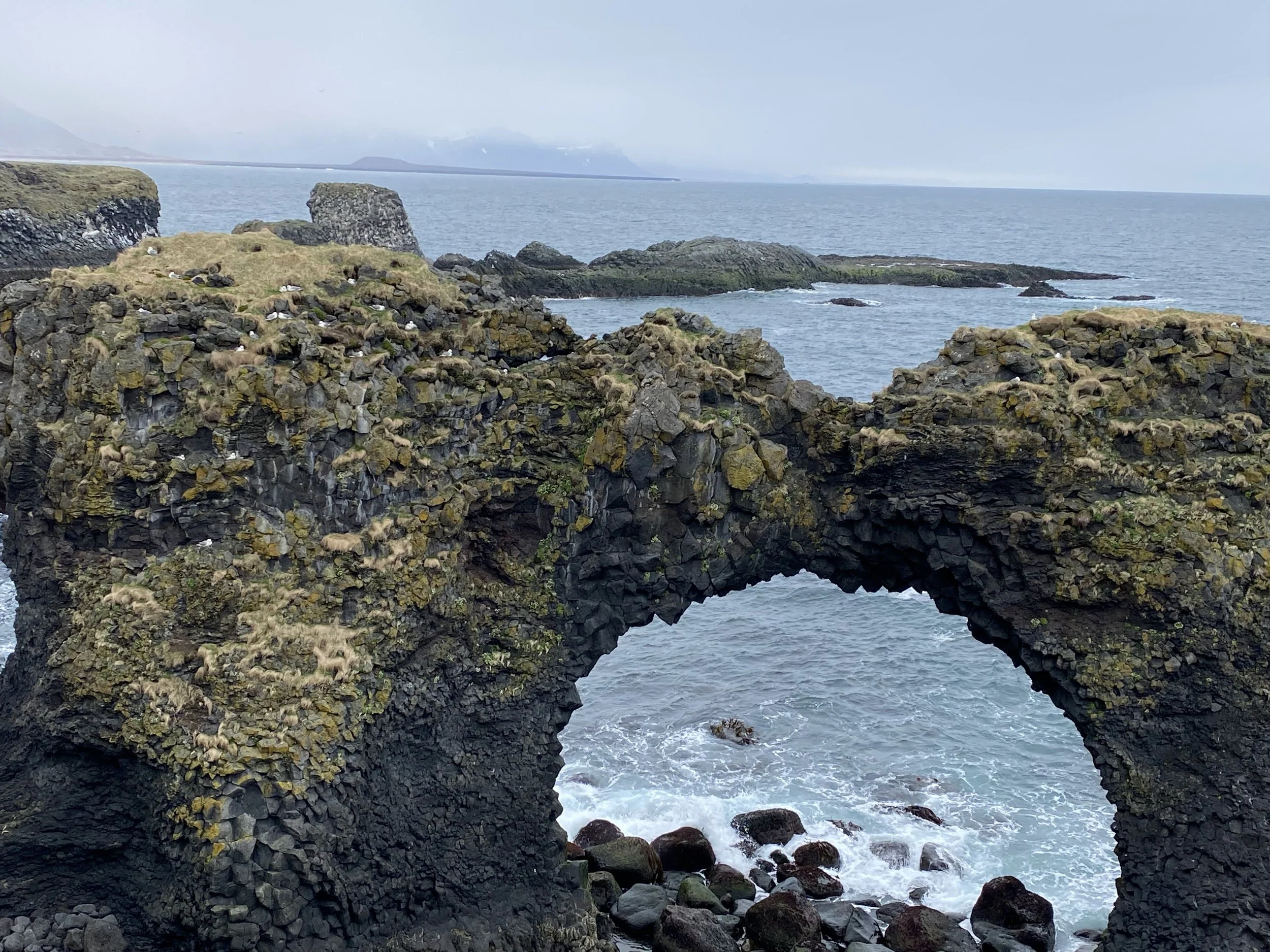
The coastline around Snæfellsnes is where the landscape becomes particularly dramatic.Jagged volcanic cliffs meet the Atlantic Ocean, with unusual rock formations scattered along the shoreline. Waves crash against the dark volcanic coastline while seabirds circle above.The area around Arnarstapi is particularly impressive, with enormous basalt formations and sea arches carved out by thousands of years of relentless Atlantic waves. It's the kind of landscape where you can spend ages just walking around and looking at the coastline from different angles.
Djúpalónssandur — The Black Beach
One of the most atmospheric stops was Djúpalónssandur, a remote black pebble beach on the southern coast of the peninsula. Unlike the more traditional sandy beaches you might imagine, Djúpalónssandur is covered in smooth black volcanic pebbles, surrounded by dramatic cliffs and rock formations. The beach is also steeped in Icelandic folklore and history. You can still see the lifting stones once used by fishermen to test their strength — a reminder of just how physically demanding life along this coastline once was. The Atlantic here can also be extremely powerful.
Important: Don't underestimate the waves. Iceland's black beaches are beautiful but can be dangerous, and sneaker waves can appear unexpectedly. Keep a safe distance from the water.
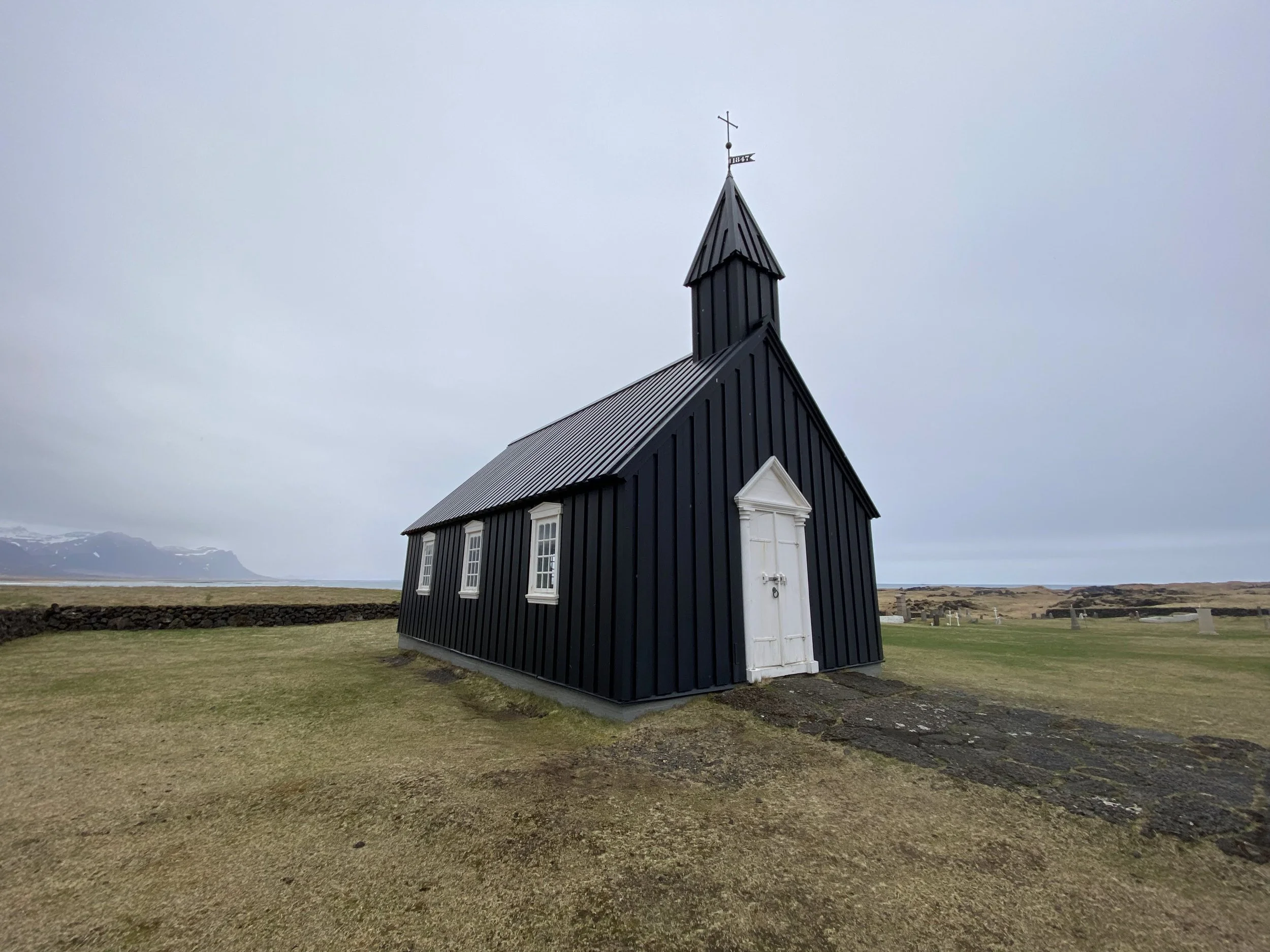
Búðakirkja — Iceland’s Iconic Black Church
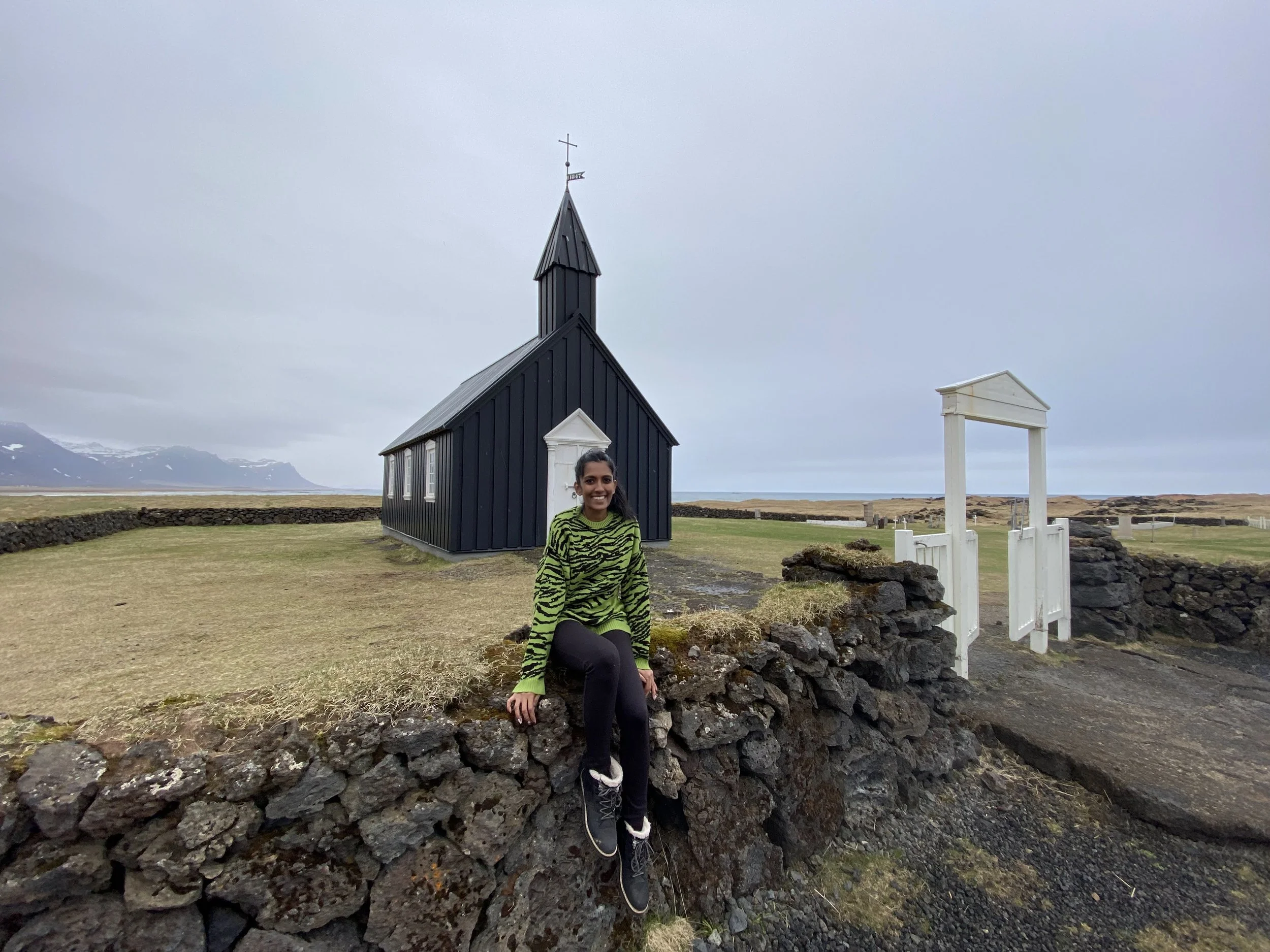
One of the most photographed stops on the Snæfellsnes Peninsula is Búðakirkja, a tiny black wooden church sitting almost completely alone against Iceland's wild landscape. Located near the small hamlet of Búðir, the church stands out dramatically against the surrounding lava fields, mountains and open countryside. Its simple black exterior and white-trimmed windows give it a striking, almost storybook appearance. The current church was built in 1987, although a church has stood at Búðir since the 18th century. Today, it has become one of those quintessential Iceland photographs — a tiny black church surrounded by seemingly endless wilderness.What makes the setting even more beautiful is the contrast. There are no grand buildings or busy streets around it — just the church, the volcanic landscape and Snæfellsjökull in the distance on a clear day. It's a quick stop, but definitely one worth making.
Berserkjahraun Lava Field
Driving through Berserkjahraun felt like entering another planet. This enormous lava field was created by volcanic eruptions thousands of years ago and is now covered in vibrant green moss, creating an almost surreal contrast against the dark volcanic rock. The name itself comes from an Icelandic saga involving two berserkers — adding a little mythology to an already otherworldly landscape. This was one of those stretches of the journey where the drive itself became an attraction.
Ytri-Tunga — Meeting the Seals
Our final wildlife stop was Ytri-Tunga, a beach known for its resident seal colony. Unlike many of the black beaches around Snæfellsnes, Ytri-Tunga has golden sand, making it a surprisingly different-looking part of the peninsula. If you're lucky, you'll spot seals lounging on the rocks just offshore. They're not always easy to see, so bring binoculars or a camera with a good zoom — and remember to keep your distance. Watching the seals bob around in the water was the perfect little wildlife encounter to finish the day.
Field Notes:
Wonders Of SNÆFELLSNES tour with Wake up Reykjavik : USD 235 pp, lunch included https://wakeupreykjavik.com/tour/snaefellsnes-peninsula-iceland
