Iceland- Reykjavík , Whale Watching, stables & blue lagoon
Apr/May 2022
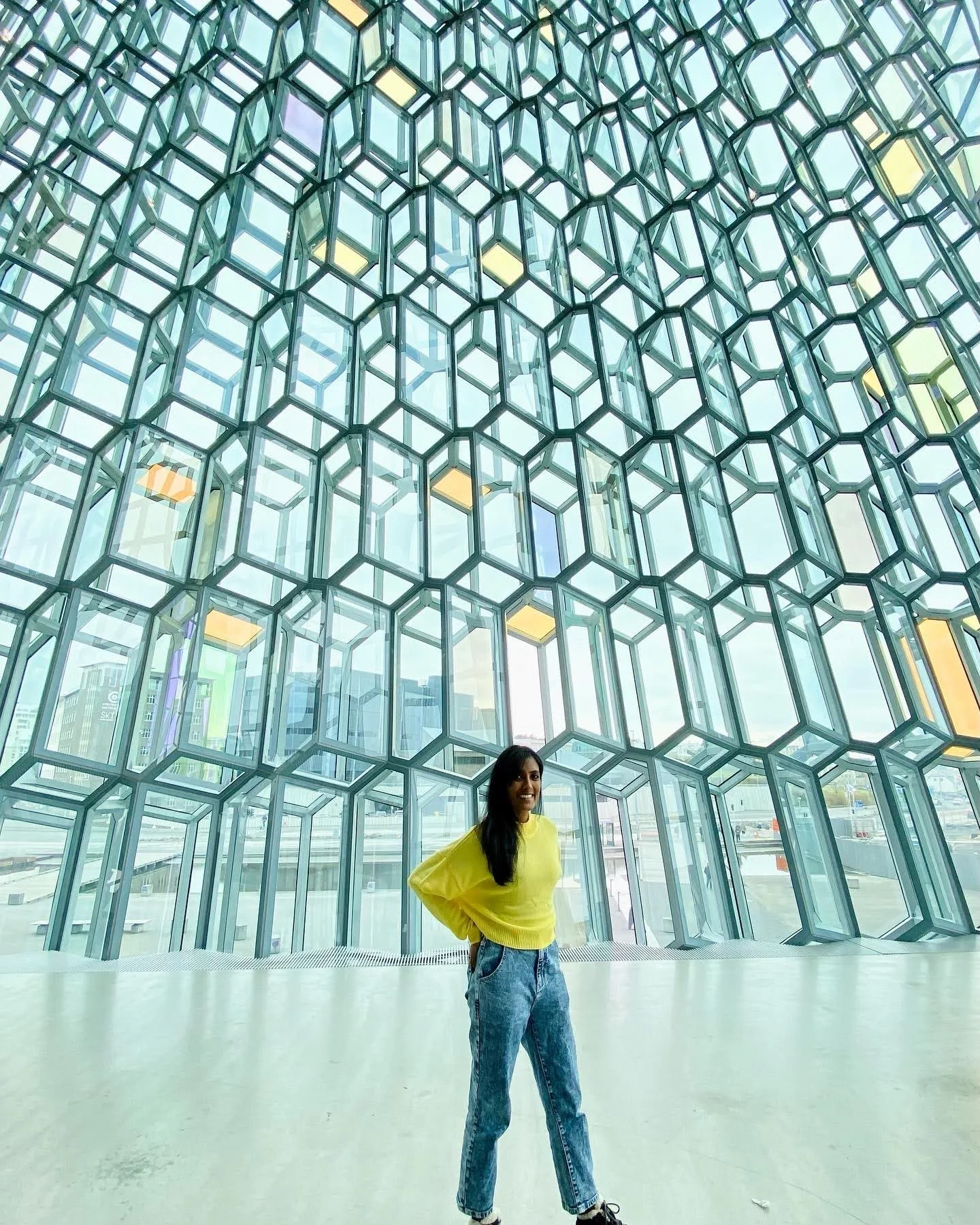
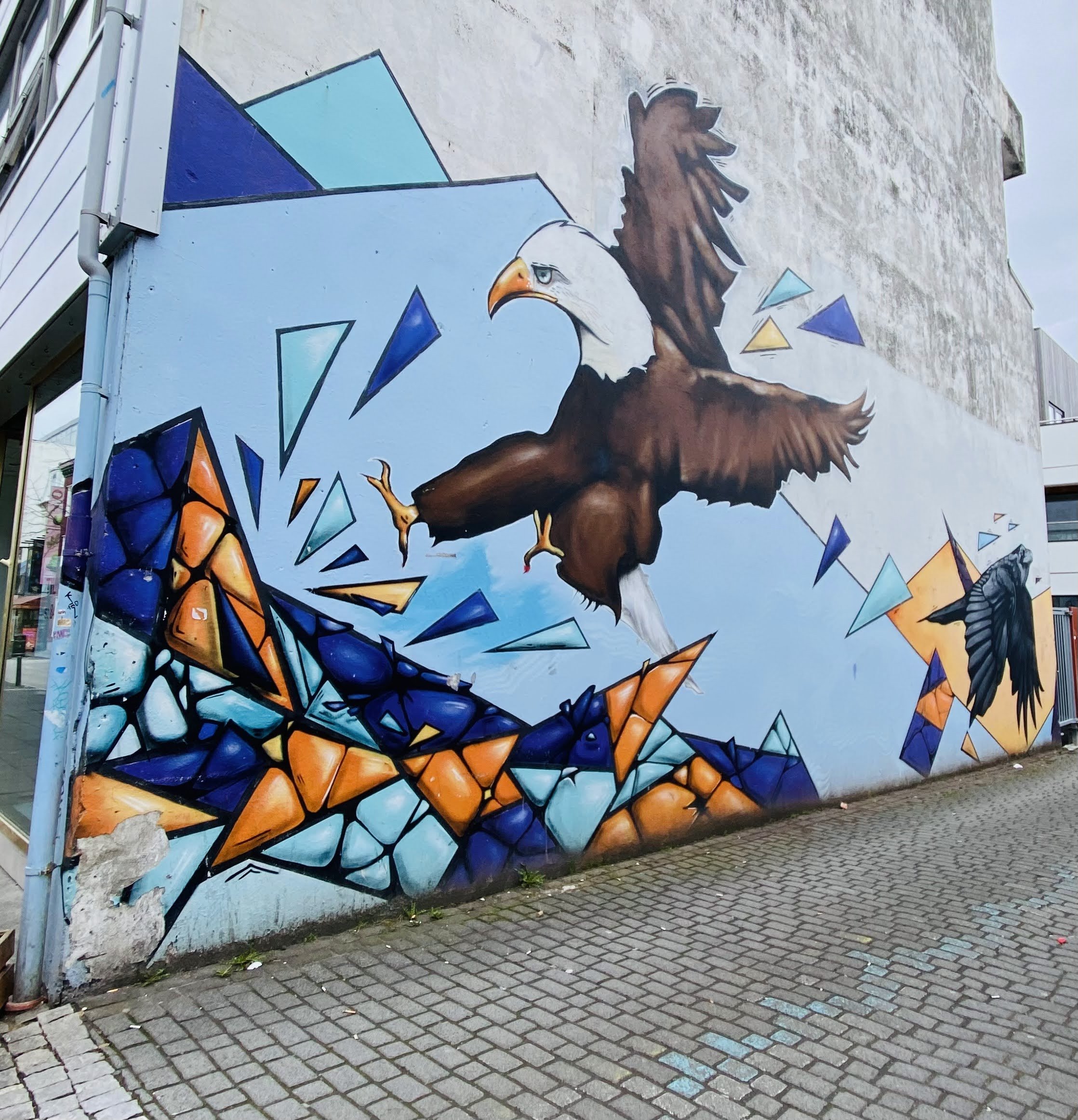
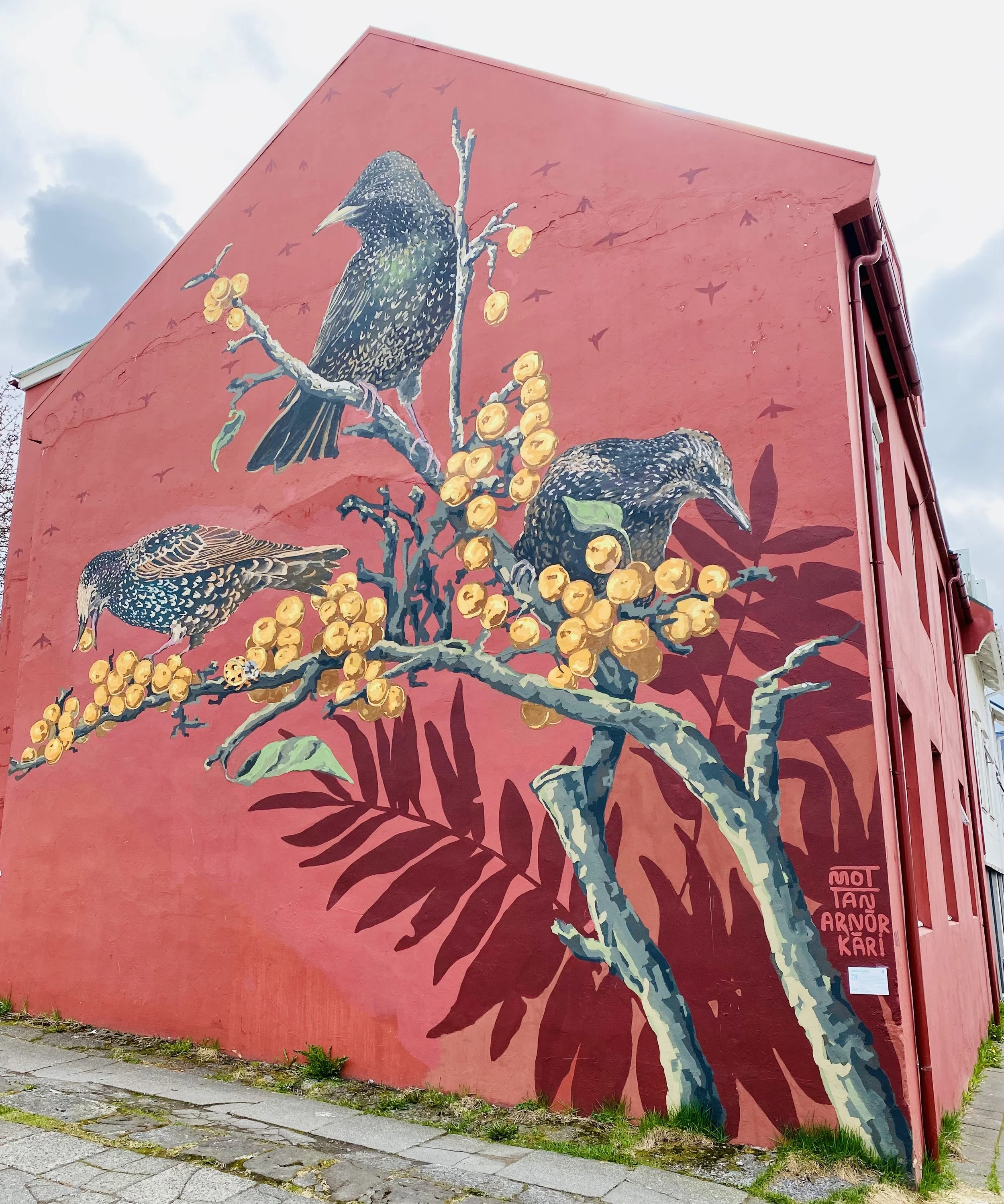
After spending days chasing waterfalls, glaciers and volcanic landscapes, it was time to slow things down and explore Iceland's capital. Reykjavík is small enough to explore on foot, but there is plenty to discover: colourful buildings, cosy cafés, interesting architecture, and views towards the surrounding mountains and sea.
What I loved about Reykjavík was its balance. It feels like a proper city, but nature never feels far away.
You can spend the morning wandering through the streets, stop for coffee, and before long you're looking out across the harbour towards Iceland's dramatic coastline. We spent time wandering around the city, taking in some of its most recognisable landmarks.
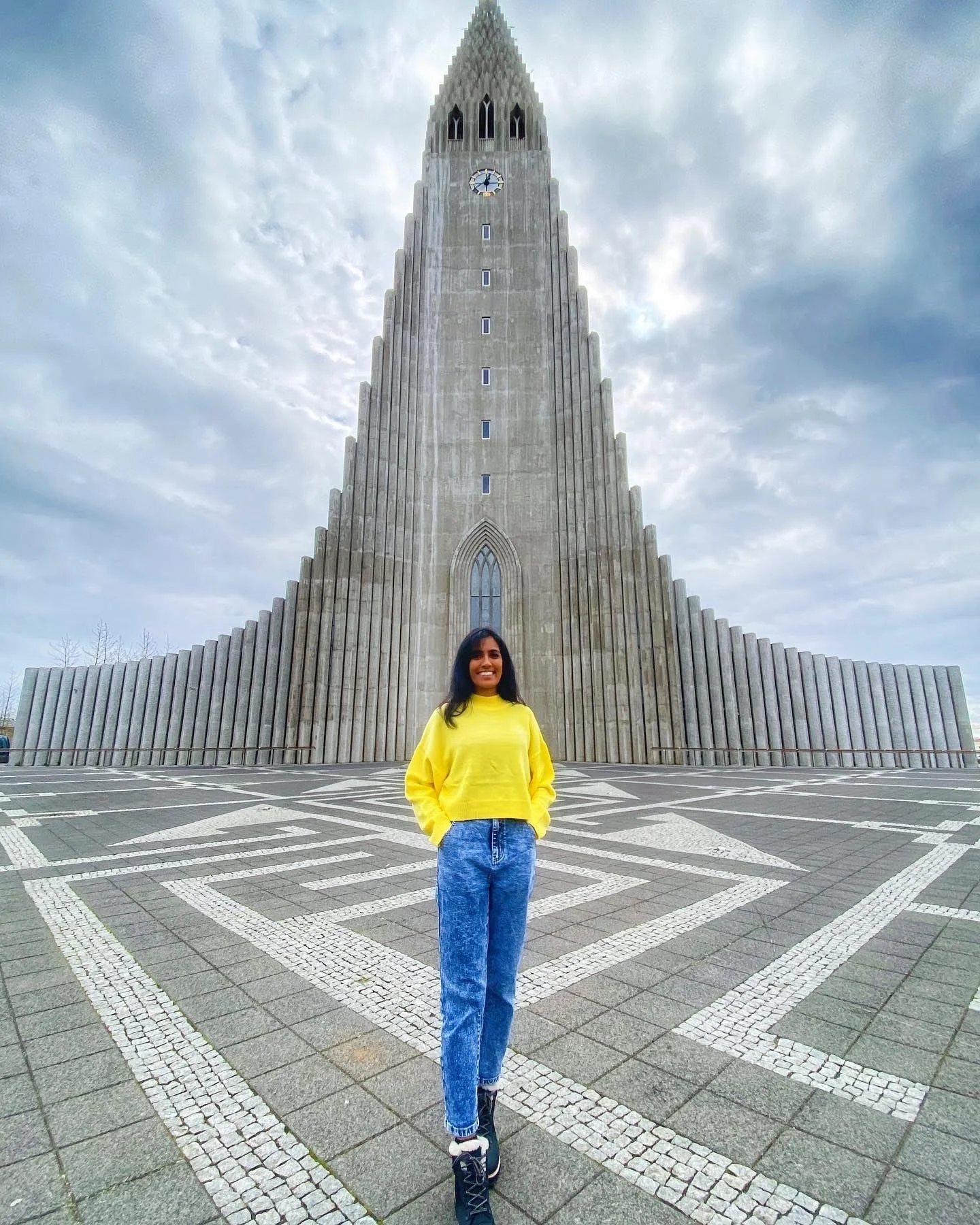
One of the highlights was Hallgrímskirkja, Reykjavík's striking Lutheran church. Its unusual architecture was inspired by Iceland's landscape, particularly the basalt formations found throughout the country. The church rises above the city and is impossible to miss. From the surrounding area, you can also get a great perspective of Reykjavík's colourful rooftops.

Whale Watching
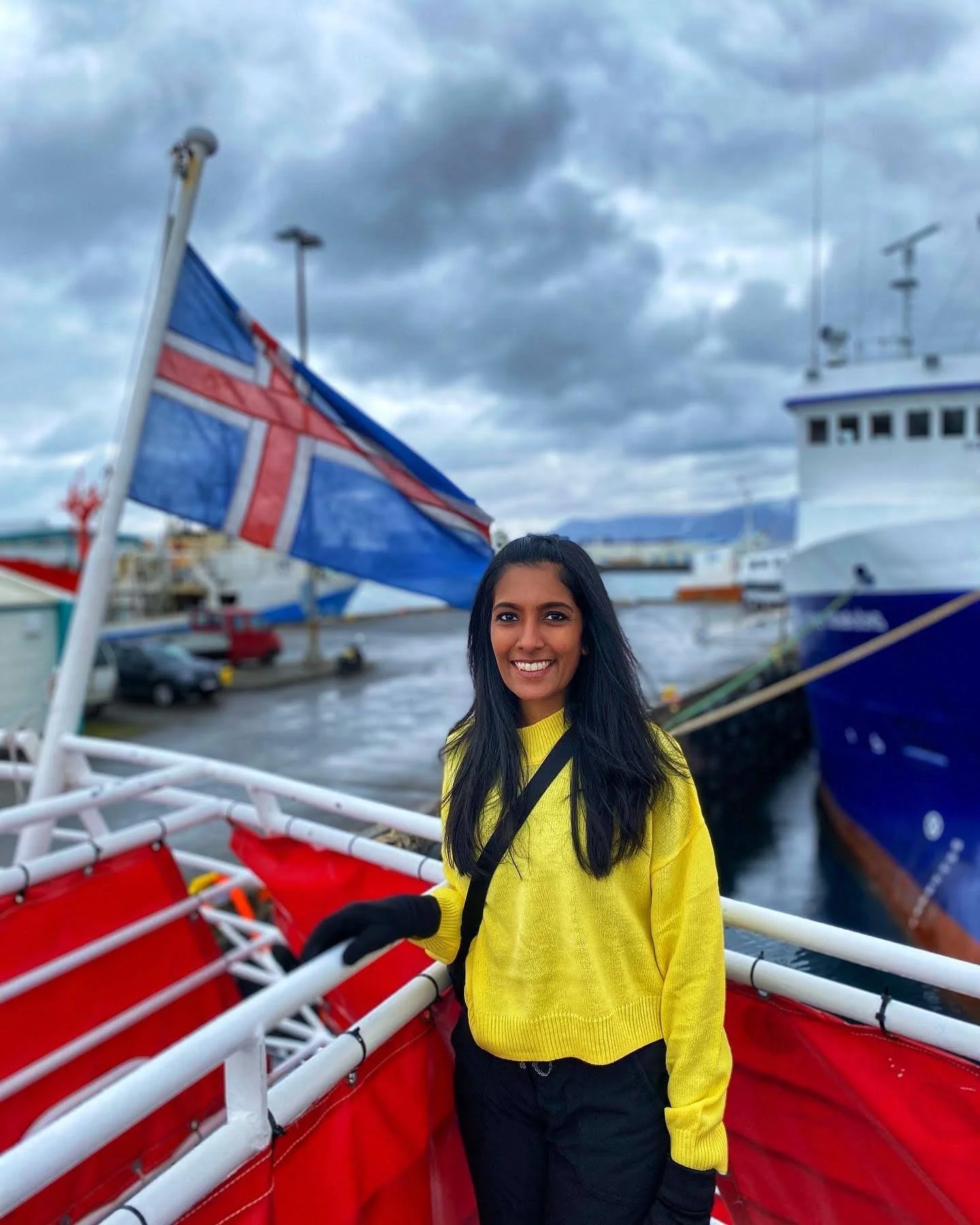
One of the experiences we were most excited about in Reykjavík was whale watching with Elding Whale Watching. The plan sounded perfect: a small-group adventure aboard a zodiac boat with just 12 passengers, getting out onto the open water for a much more intimate encounter with Iceland’s marine life.
Of course, Iceland had other plans.
The weather conditions meant that the zodiac trip couldn’t go ahead safely, so we were transferred to a larger, regular whale-watching boat instead. It wasn’t quite the experience we had originally imagined, but if there’s one thing Iceland teaches you quickly, it’s to embrace the unpredictability of the weather. Before boarding, we were given weatherproof red jumpsuits, instantly making everyone look like they were part of a very stylish Arctic expedition. The suits were definitely more practical than glamorous, but they made a huge difference once we were out on the water. Between the wind, cold and spray, staying warm was essential.
Once we left Reykjavík harbour, the city gradually disappeared behind us as we headed into the waters of Faxaflói Bay. The anticipation built every time someone spotted movement in the distance. And then came the moment we were waiting for.
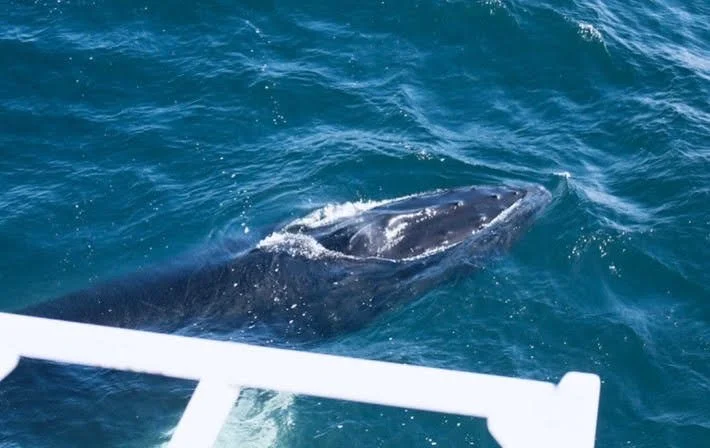
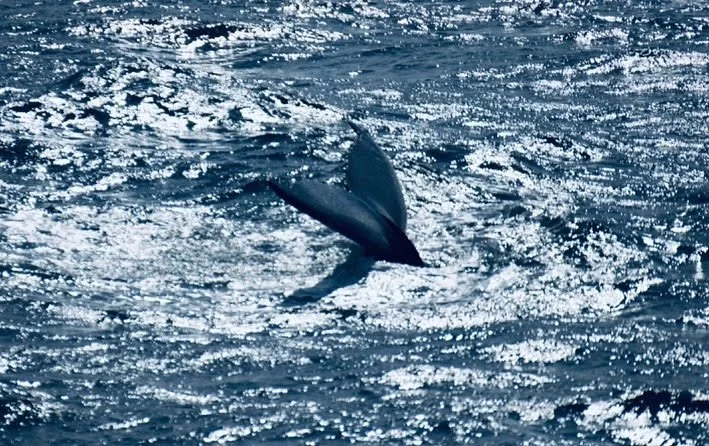
Humpback whales.
Seeing a humpback whale surface in the wild is one of those experiences that photographs don't quite capture. You first notice the movement of the water, then a huge back emerges before disappearing beneath the surface. There was something incredibly humbling about watching these enormous animals moving through the ocean completely on their own terms. We spent time scanning the horizon, waiting for another blow or the unmistakable curve of a whale breaking the surface. Every sighting brought the entire boat to life, with everyone rushing to whichever side the crew had spotted the whales. While the zodiac would have offered a smaller and more intimate experience, the larger boat actually gave us a comfortable viewing platform, particularly useful in Icelandic weather.
Stable Visit
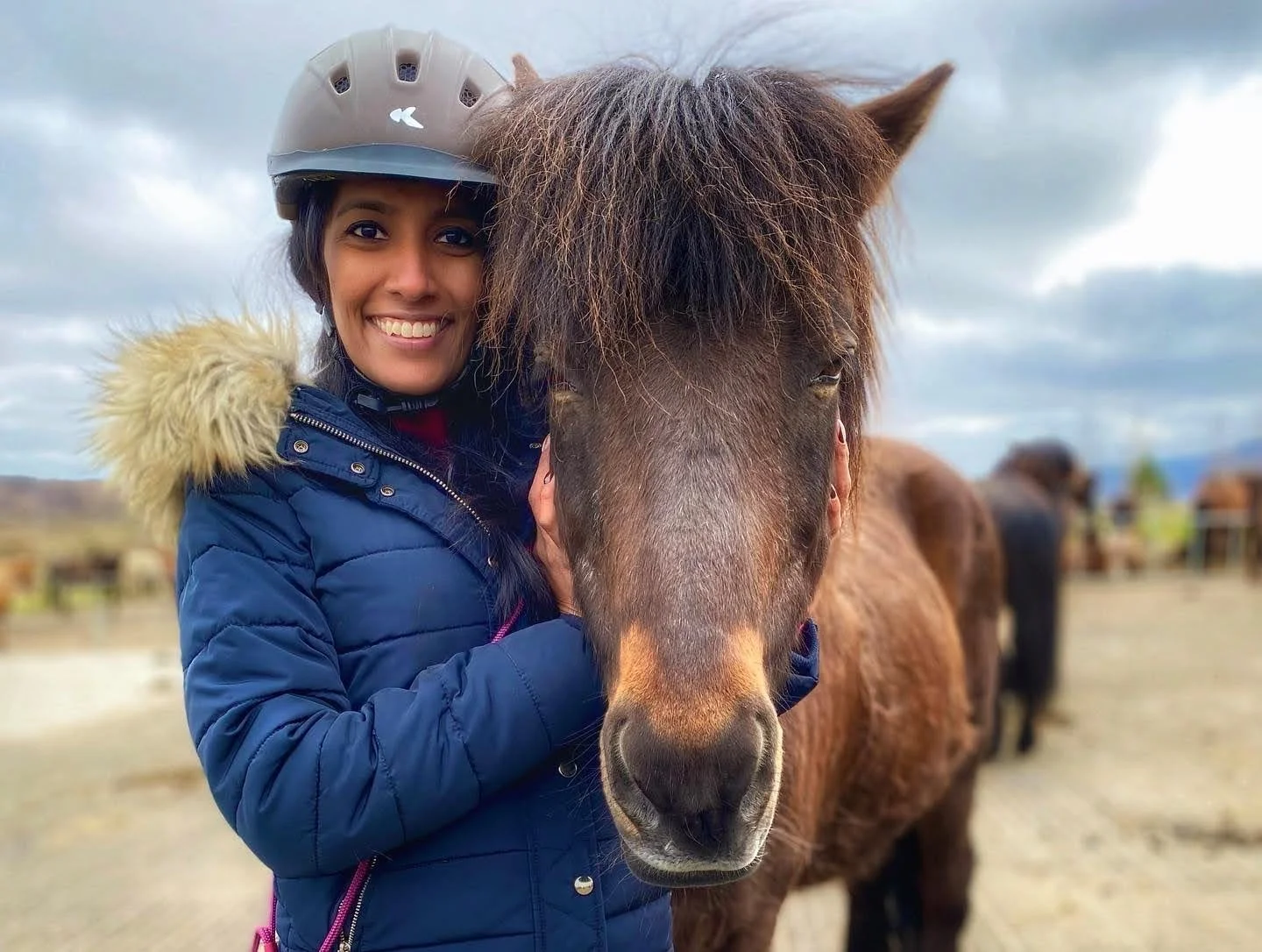
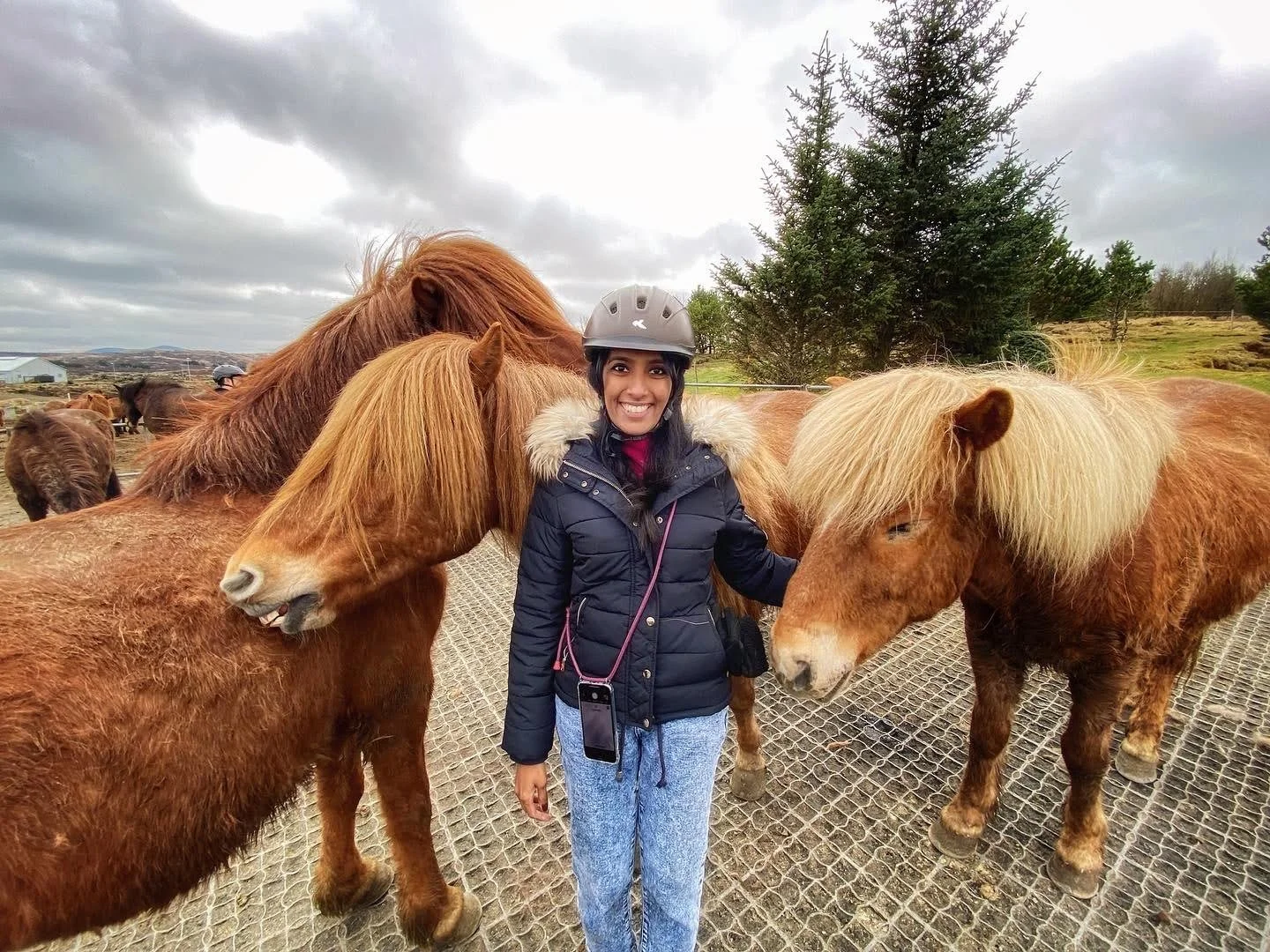
No trip to Iceland feels complete without getting up close with one of the country’s most iconic animals — the Icelandic horse. We visited Ishestar Horse Riding Centre in Hafnarfjörður, just outside Reykjavík. Íshestar has been offering riding experiences since 1982 and is located only around 15 minutes from central Reykjavík, making it an easy addition to a Reykjavík itinerary.
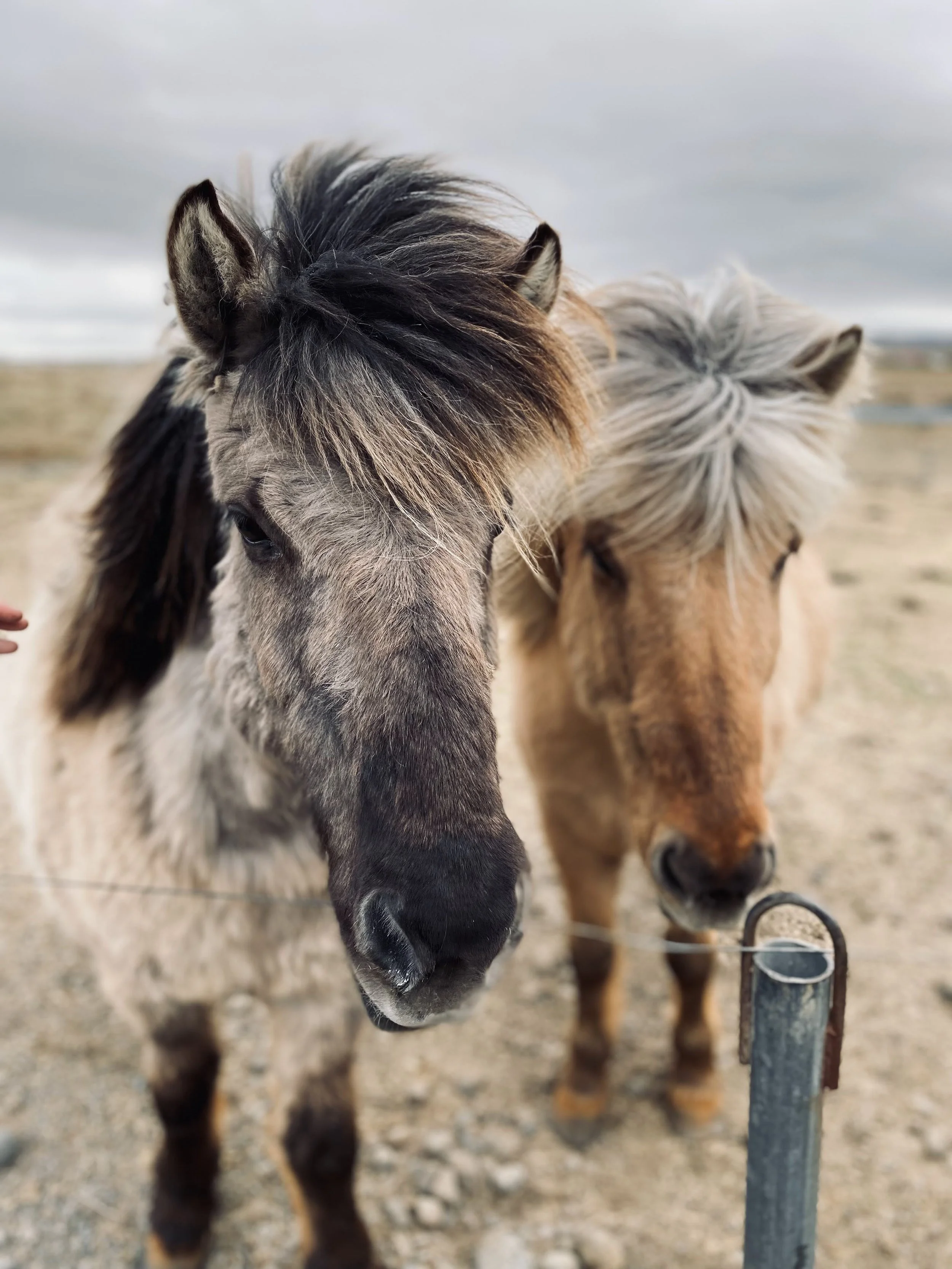
The Icelandic horse is surprisingly small compared with many horses we're used to seeing, but don't let its size fool you. These horses are strong, hardy and incredibly sure-footed — perfectly suited to Iceland's rugged landscape. What makes them particularly special is their unique five gaits, including the famous tölt. This smooth, four-beat gait is one of the defining characteristics of the Icelandic horse and is known for being remarkably comfortable for riders.
At the stable, we had the opportunity to spend time around the horses and get a closer look at these beautiful animals before heading out. There was something especially lovely about seeing them outside the usual tourist setting — curious, calm and completely at home in the Icelandic landscape.
The experience isn't simply about riding a horse; it's about seeing Iceland from a completely different perspective.Instead of viewing the landscape through a car window or from a tour bus, you're moving through it at the pace of the horse. The trails around Íshestar take riders through the distinctive volcanic landscape, with lava fields, green hills and wide-open Icelandic scenery surrounding you.
Even if you're not an experienced rider, Íshestar caters to different riding abilities, with horses and routes matched to riders' experience levels. Helmets, rubber boots and warm/rain gear are also provided, which is particularly welcome given how quickly Iceland's weather can change.
Blue Lagoon
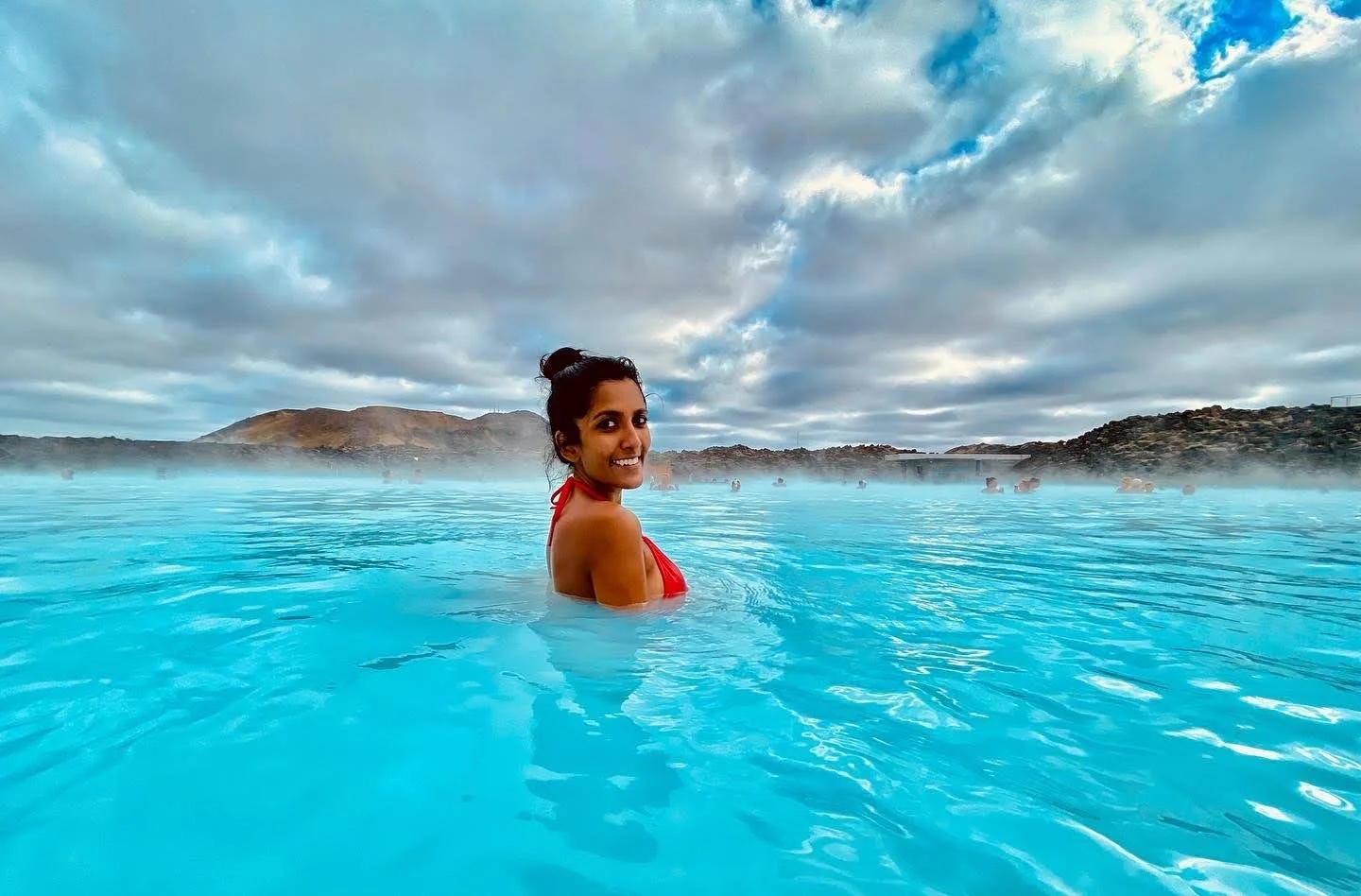
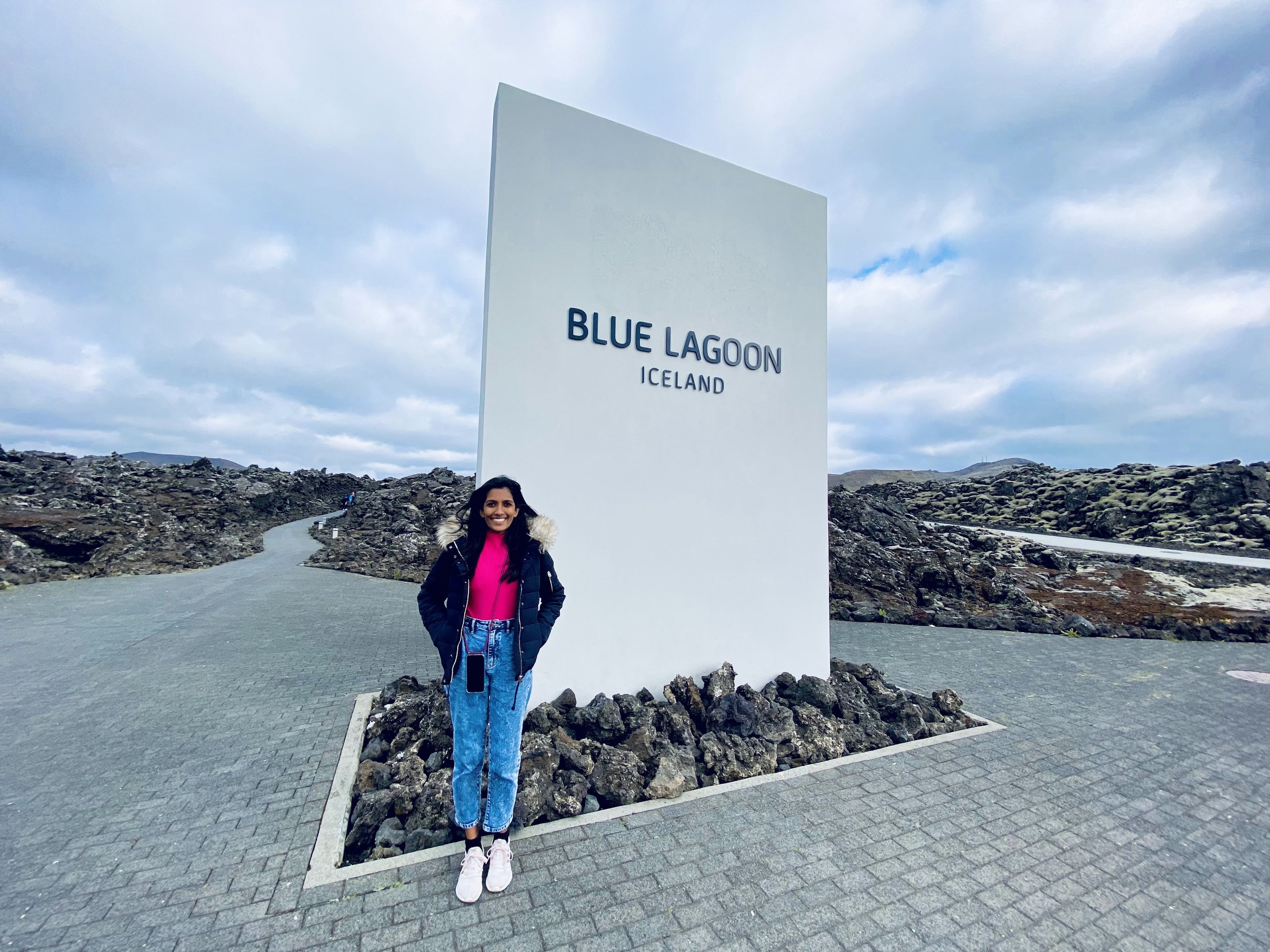
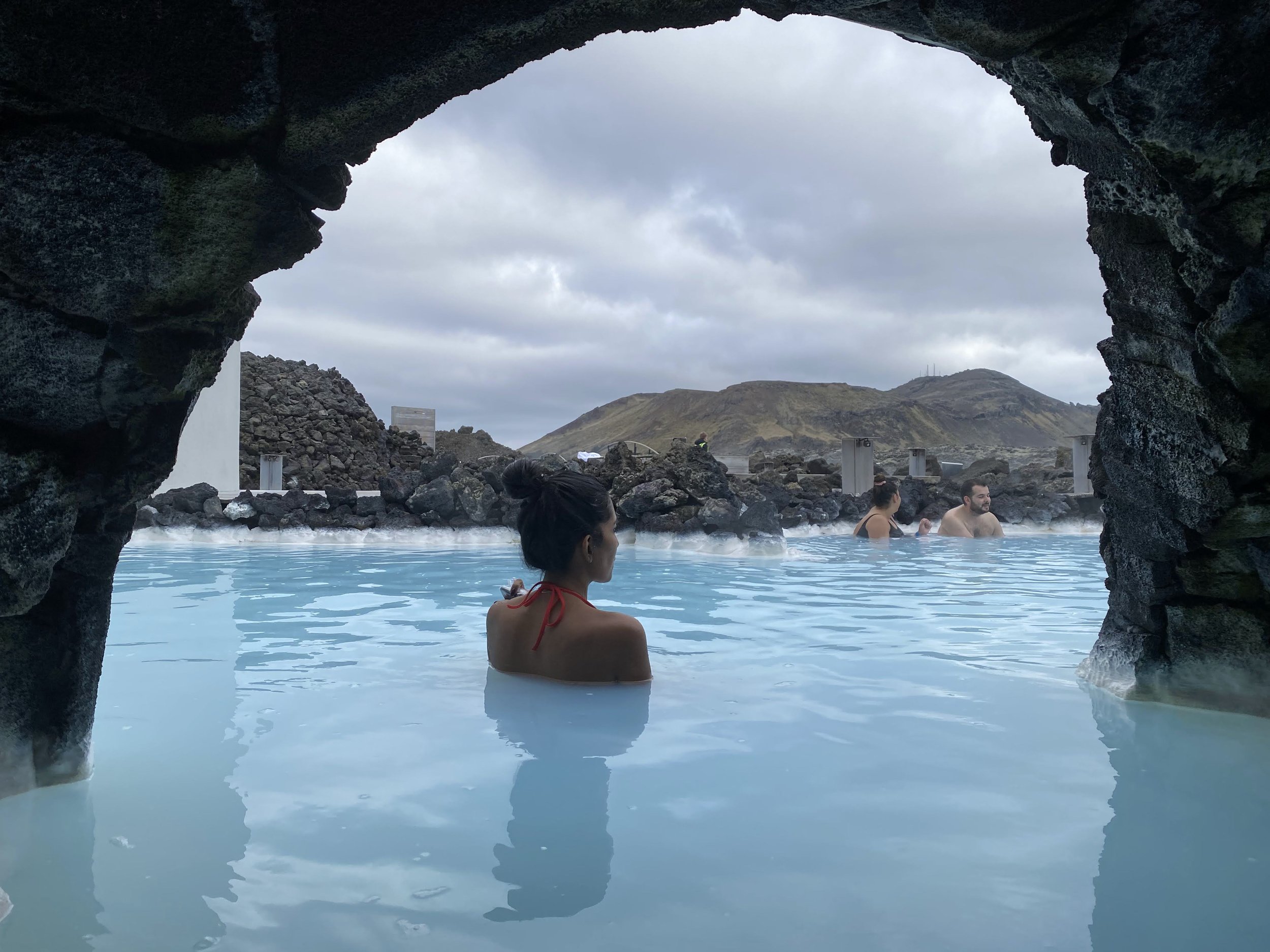
No trip to Iceland would feel complete without experiencing one of the country’s most famous attractions — the Blue Lagoon. Located in a lava field on the Reykjanes Peninsula, the geothermal spa feels almost otherworldly. The contrast is what makes it so special: dark volcanic rocks surrounding an enormous pool of milky-blue, steaming water, with clouds of mist drifting across the surface.
After a day of exploring Iceland's dramatic landscapes, stepping into the warm geothermal water was exactly what we needed. The water is naturally warm year-round, and there is something incredibly relaxing about floating around while surrounded by Iceland's rugged volcanic landscape. Even with the chilly air outside, the warmth of the lagoon makes it easy to forget just how cold it is.
One of the highlights is simply wandering through the lagoon itself. Rather than being a traditional swimming pool, the Blue Lagoon stretches through the lava field, creating little areas to explore and quieter corners to sit and soak. And yes — the iconic blue-water photos are absolutely worth getting.
The lagoon's distinctive blue colour comes from its mineral-rich geothermal seawater, particularly silica. The silica is also used in the lagoon's famous silica mud mask, which you can apply while relaxing in the water.
The experience of floating around with a white silica mask on our faces, surrounded by volcanic rocks and steam, felt slightly surreal — but it's all part of the Blue Lagoon experience.
There are also additional treatments and spa experiences available if you want to make your visit more indulgent.
Field Notes :
Elding Whale Watching : USD 193 pp https://elding.is/reykjavik-premium-whale-watching
Íshestar Stabel Tour : Day trip for reyjkvik with pick up and transfer included , USD 147 pp https://ishestar.is/en/portfolio/daytours/
Blue Lagoon : USD 116 pp, book way in advance, choose one free silica mask for use https://www.bluelagoon.com/
FOOOOOOD
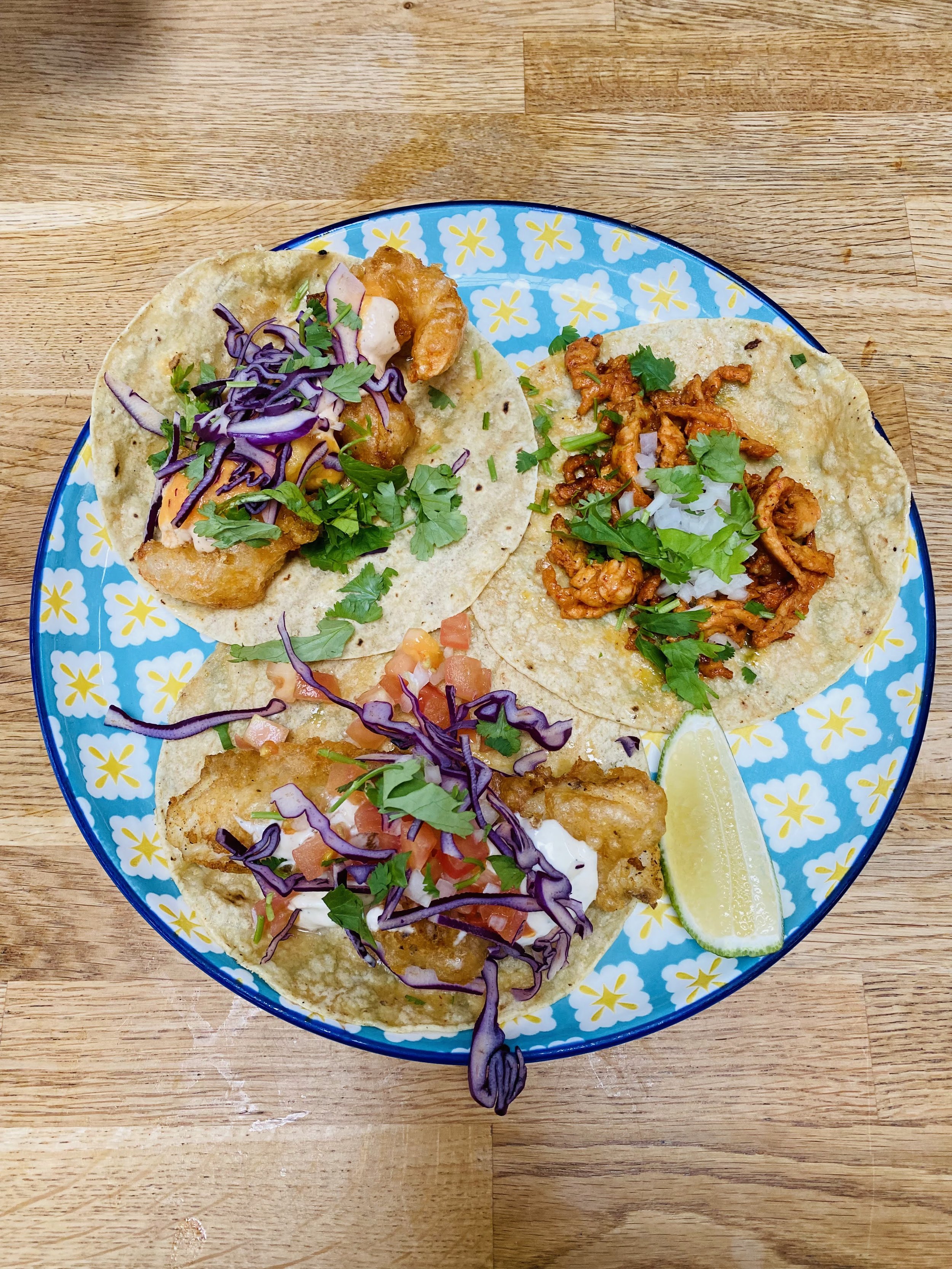
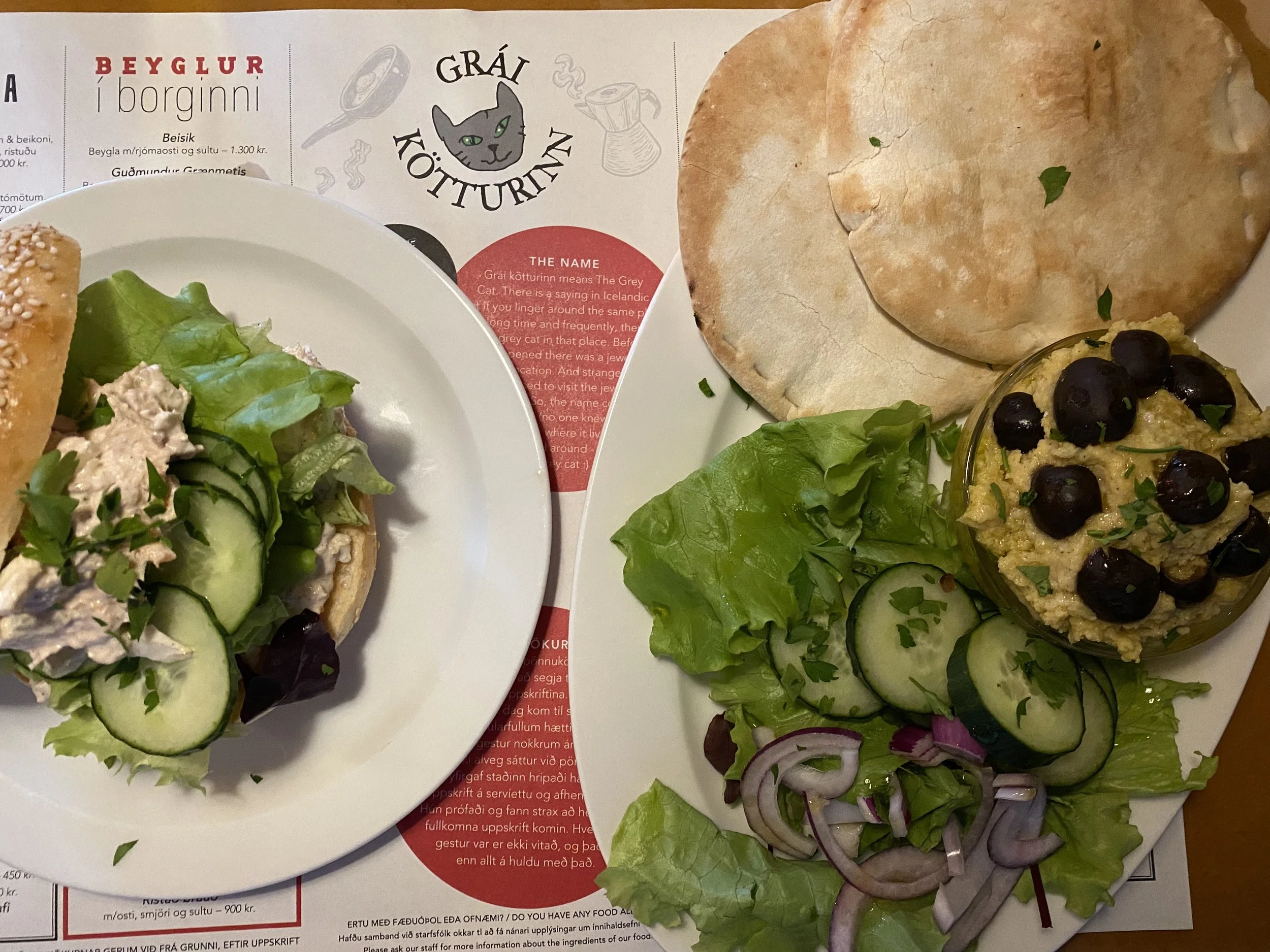
Iceland may not immediately come to mind as a foodie destination, but we were pleasantly surprised by how much we enjoyed eating our way around Reykjavík. From the famous Icelandic hot dog to fresh seafood by the harbour, food halls and plenty of skyr, there were lots of little food stops to look forward to between sightseeing.
First up: the Icelandic hot dog, or pylsa.
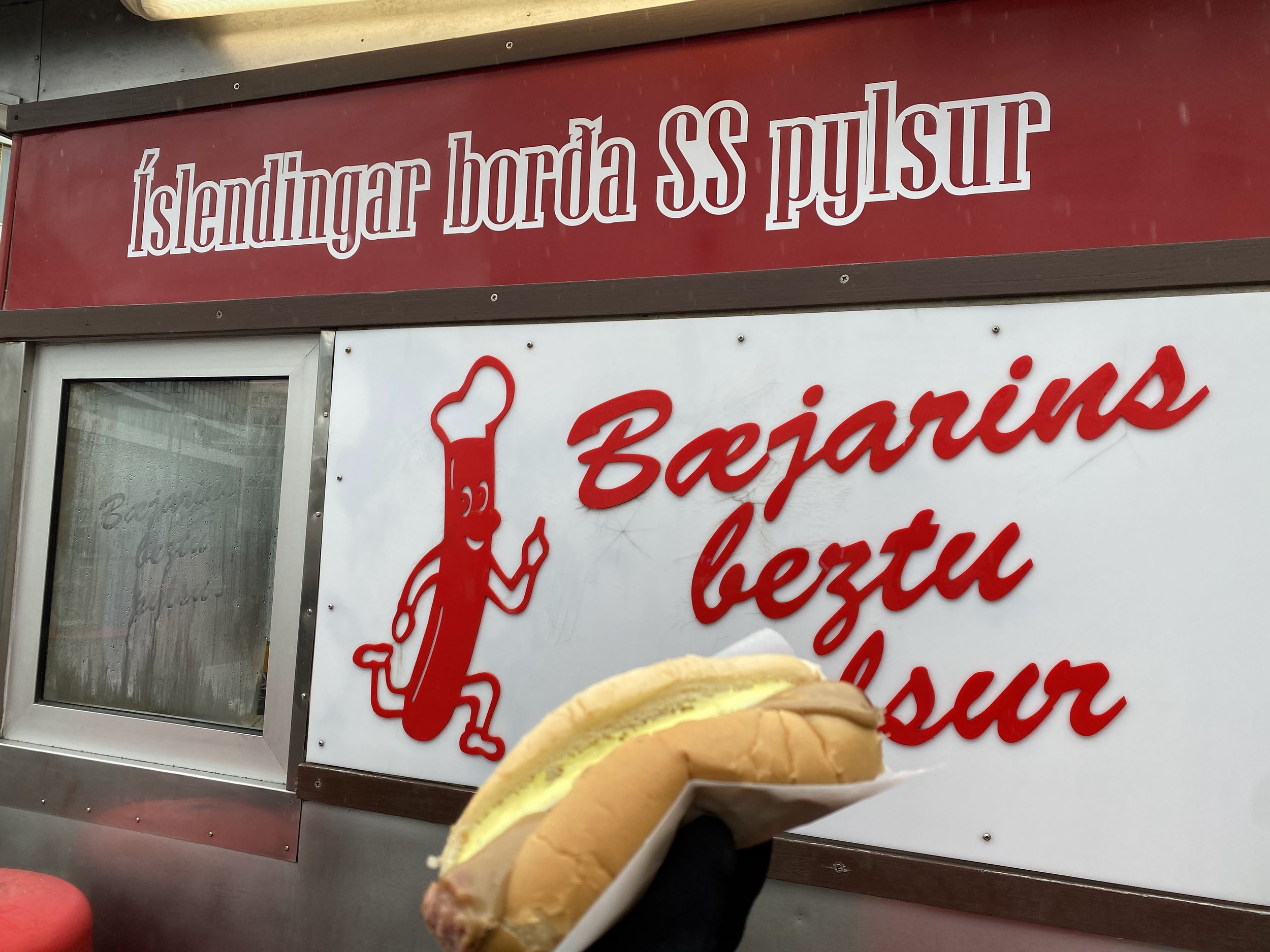
A trip to Reykjavík wouldn't be complete without stopping at Bæjarins Beztu Pylsur, the legendary hot dog stand near the harbour. The tiny stand has been serving hot dogs since 1937 and has become something of a Reykjavík institution. We ordered the classic “eina með öllu” — one with everything, which comes topped with raw onions, crispy fried onions, ketchup, sweet mustard and remoulade. The combination sounds simple, but somehow it works incredibly well. The crispy onions add texture, while the sweet mustard and remoulade make it much more interesting than your average hot dog. A
Fish Skewers at the Old Harbour
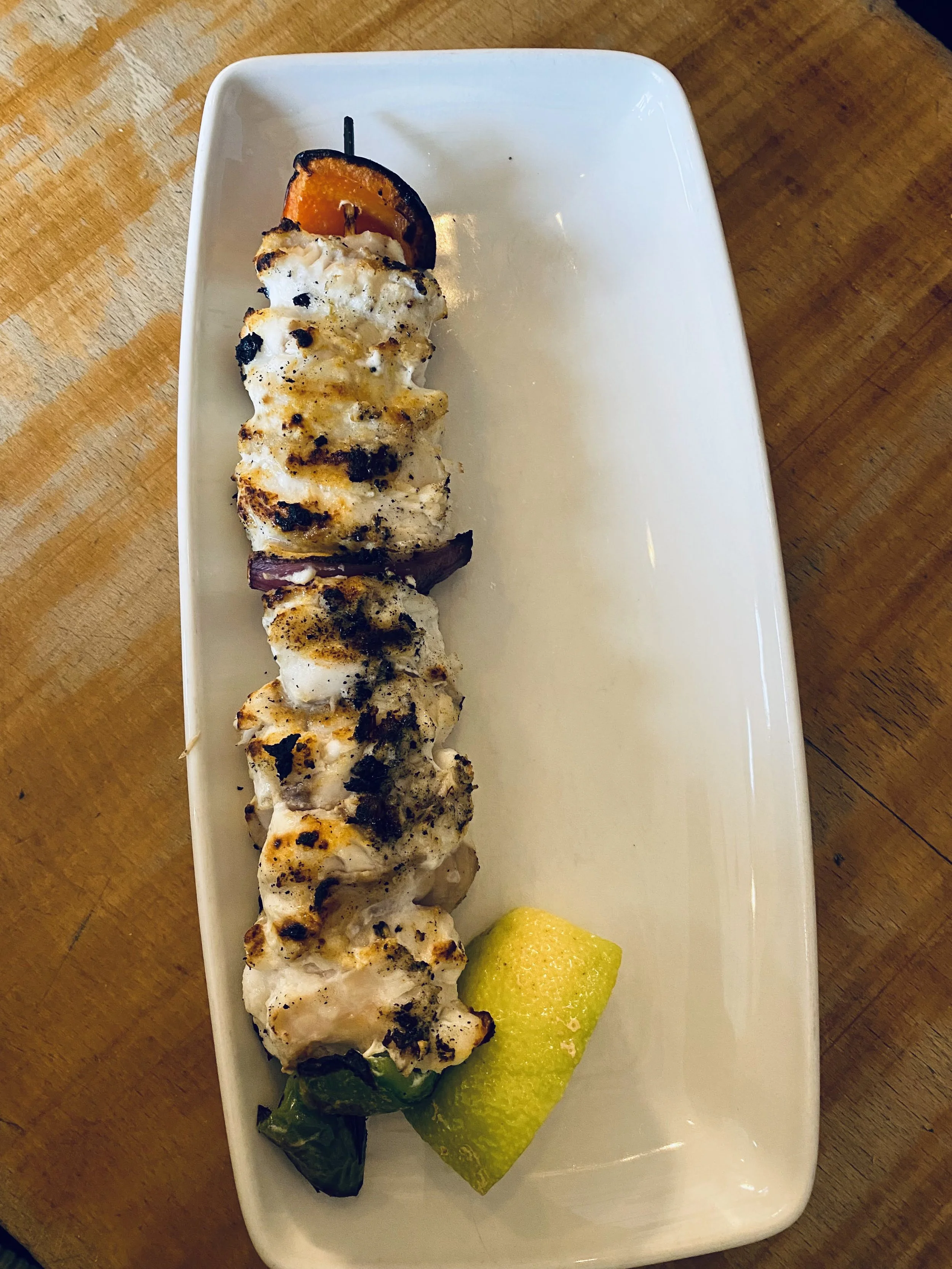
After wandering around Reykjavík's Old Harbour, we stopped for one of the things Iceland does best — seafood. We headed to Sægreifinn (The Sea Baron), a small, casual seafood spot famous for its grilled seafood. The atmosphere is very much no-frills: you're there for the food rather than an elaborate dining experience. The fish skewers were exactly what we wanted after spending time around the harbour — simple, fresh and grilled, with that lovely smoky flavour from the barbecue.
Grandi Food Hall
For a more relaxed meal with plenty of choice, we also checked out Grandi Mathöll, located in Reykjavík's old harbour district.The food hall is housed in a renovated former fish-processing facility and brings together a range of cuisines under one roof, from Icelandic and Scandinavian food to Korean, Italian and Middle Eastern options.
This was perfect for those moments when you don't quite know what you're craving. Instead of committing to one restaurant, everyone can browse the different stalls and pick whatever catches their eye.The harbour location is an added bonus — grab your food, find a seat and enjoy the views before continuing your walk around the waterfront.
A Meal at Monkeys
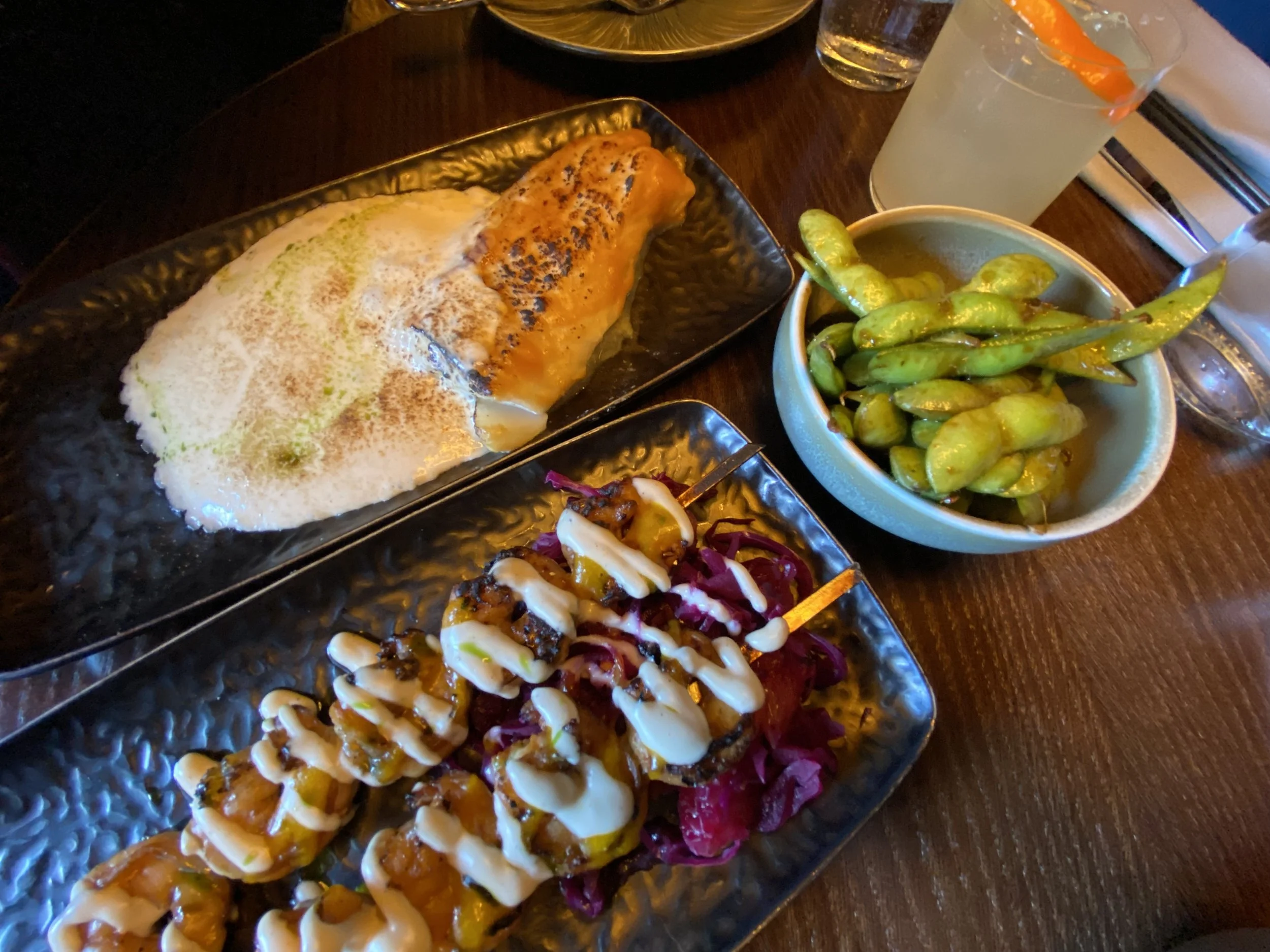
For something a little more sophisticated, we headed to Monkeys Food & Bar in central Reykjavík. Unlike the casual street-food stops, Monkeys offers Nikkei cuisine, combining Japanese techniques and ingredients with Peruvian influences.
The menu is designed around smaller plates, making it a great option if you want to share several dishes rather than order one large meal. The cocktails are also a big part of the experience, so this was definitely one of our more indulgent food stops in Reykjavík. After days of eating hot dogs, seafood and snacks on the go, it was nice to sit down for a proper dinner and enjoy something a little different.
Skyr
You can't come to Iceland without trying skyr.
At first glance, it looks like yogurt, but technically skyr is a cultured dairy product that's traditionally made from skimmed milk. It's thick, creamy and high in protein, making it a very easy breakfast or snack while travelling. We tried it in a few different flavours throughout the trip, and it quickly became one of those things we'd pick up from supermarkets or convenience stores whenever we needed something quick. It's also incredibly versatile — have it on its own, with berries and fruit, or as part of breakfast.
Fish & Chips at Reykjavik Fish Restaurant
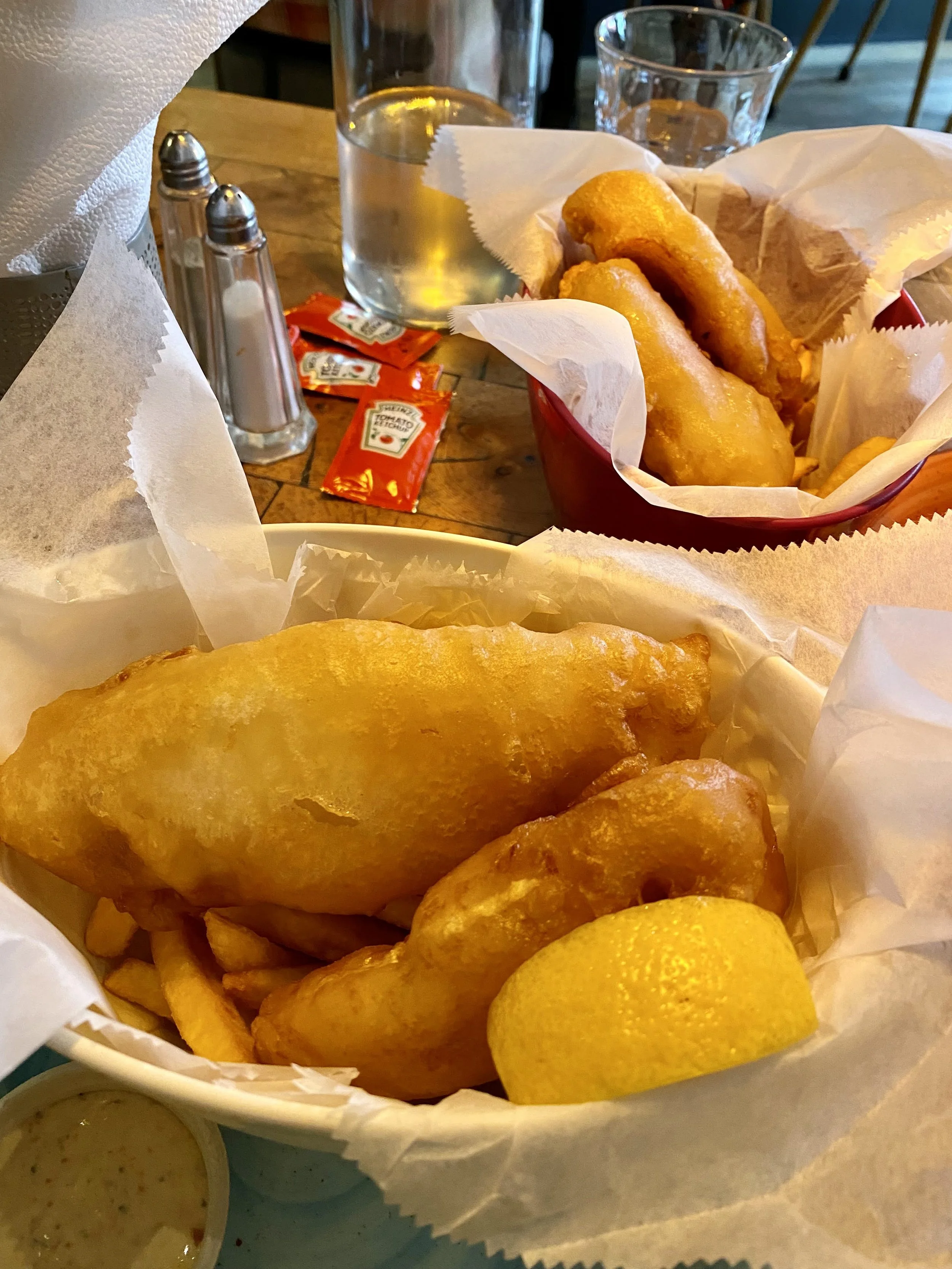
We also stopped for lunch at Reykjavik Fish Restaurant, right in the heart of Reykjavík. Reykjavik Fish RestaurantAfter eating our way through Icelandic hot dogs and harbour seafood, it was time for the ultimate comfort food: fish and chips.The restaurant has a casual, relaxed feel, making it an easy stop while exploring central Reykjavík. We went for the classic combination of crispy battered fish and chips, and it was exactly what we needed — warm, filling and satisfying after a morning of sightseeing. The fish was the star of the meal, and having fresh Icelandic seafood prepared so simply really highlighted one of the things Iceland does best.
Hákarl
And then came the Icelandic food experience we were least sure about: hákarl — fermented shark. You’ll find it in Icelandic food shops and some traditional food-tasting experiences, usually served in small cubes. The shark is traditionally cured and fermented before being hung to dry, creating its famously strong smell and flavour. We decided to be brave and give it a try. Let's just say… this is definitely an acquired taste. 😅 The smell hits you first, followed by an intense, ammonia-like flavour. It’s one of those foods where you almost need to try it simply because you’re in Iceland — if only so you can say you did.
Was it our favourite Icelandic food? Absolutely not. Was it memorable? 100%.
Field Notes:
Pylsa : Google the nearest hot dog stand to you
Reykjavik Fish Restaurant : Skólavörðustígur 8, 101, 101 Reykjavík, Iceland
Monkey’s : Klapparstígur 28, 101 Reykjavík, Iceland
Sea Baron( Sægreifinn) :Geirsgata 4a, 101 Reykjavík, Iceland
Grandi Food Hall ( Grandi Mathöll) : Grandagarður 16 101, 101 Reykjavík, Iceland
Accommodation : 9 Nights at Vintage Apartment Hotel . Good location as it is right on the main street , near to bus stops for tour and airport pick ups > USD 1155 for 2 pax
